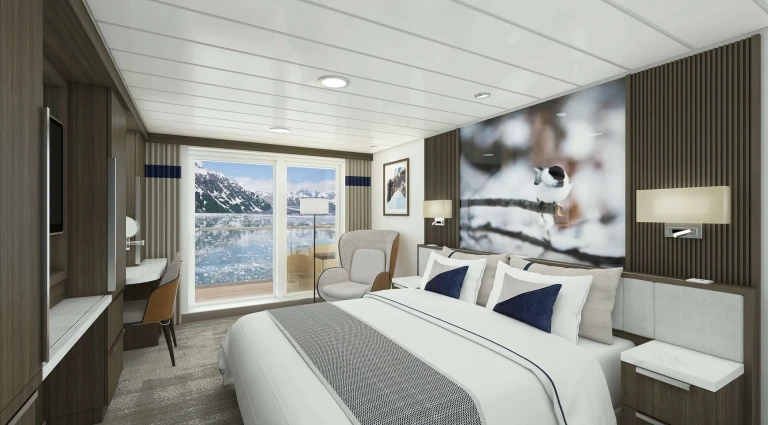
 Das Kabinenbild ist lediglich ein Beispiel.
Abweichungen sind möglich.
Das Kabinenbild ist lediglich ein Beispiel.
Abweichungen sind möglich.
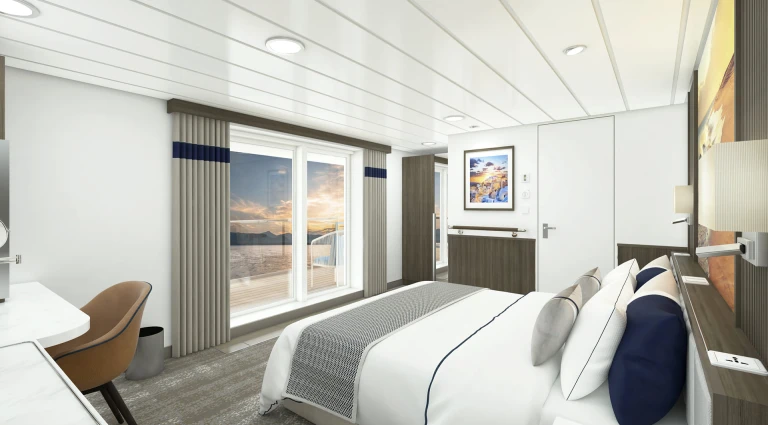 Das Kabinenbild ist lediglich ein Beispiel.
Abweichungen sind möglich.
Das Kabinenbild ist lediglich ein Beispiel.
Abweichungen sind möglich.
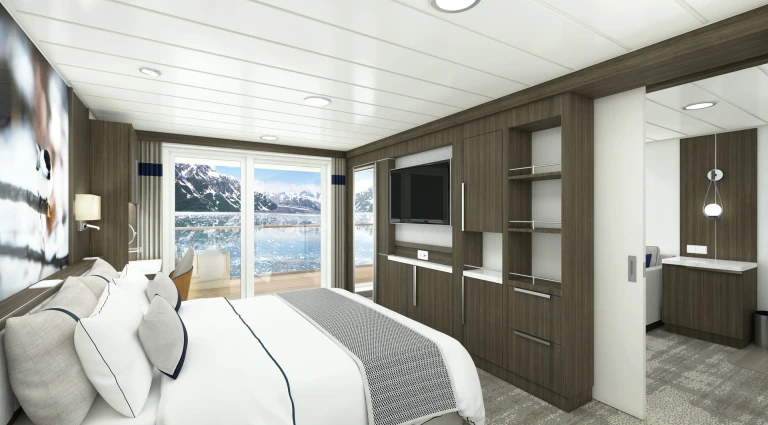 Das Kabinenbild ist lediglich ein Beispiel.
Abweichungen sind möglich.
Das Kabinenbild ist lediglich ein Beispiel.
Abweichungen sind möglich.
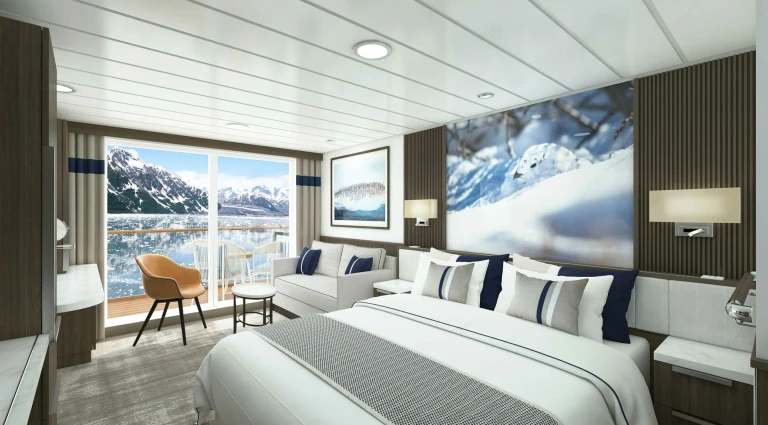 Das Kabinenbild ist lediglich ein Beispiel.
Abweichungen sind möglich.
Das Kabinenbild ist lediglich ein Beispiel.
Abweichungen sind möglich.
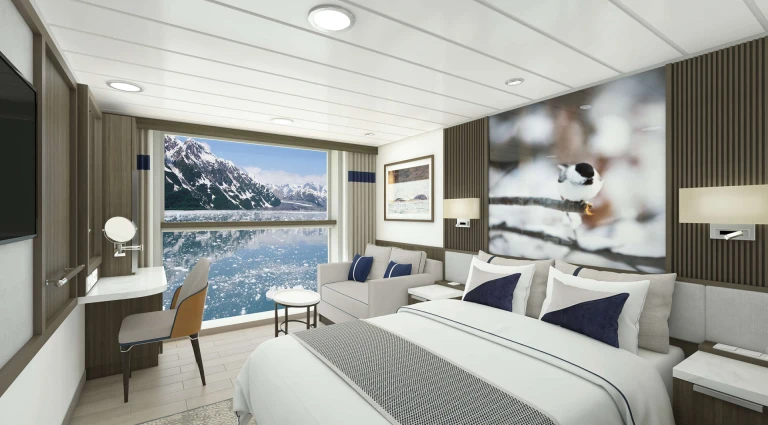 Das Kabinenbild ist lediglich ein Beispiel.
Abweichungen sind möglich.
Das Kabinenbild ist lediglich ein Beispiel.
Abweichungen sind möglich.
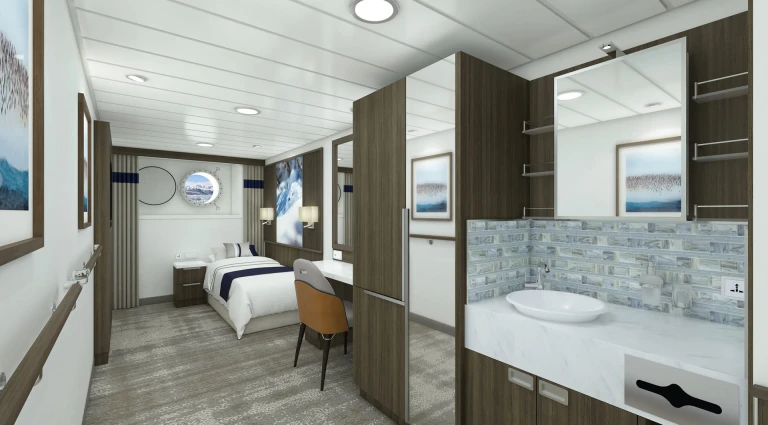 Das Kabinenbild ist lediglich ein Beispiel.
Abweichungen sind möglich.
Das Kabinenbild ist lediglich ein Beispiel.
Abweichungen sind möglich.
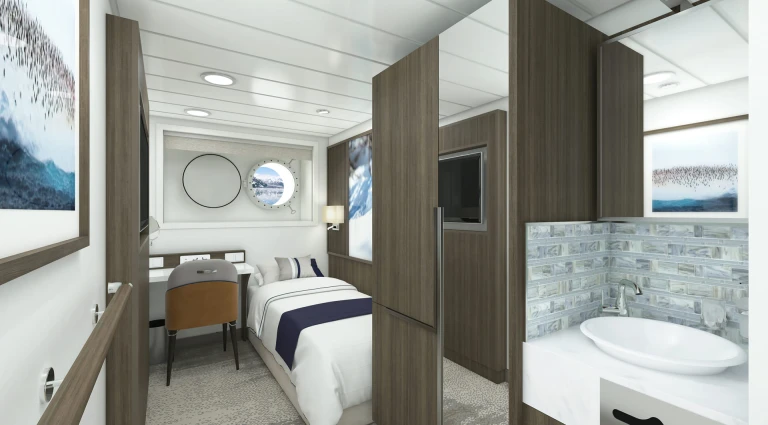 Das Kabinenbild ist lediglich ein Beispiel.
Abweichungen sind möglich.
Das Kabinenbild ist lediglich ein Beispiel.
Abweichungen sind möglich.
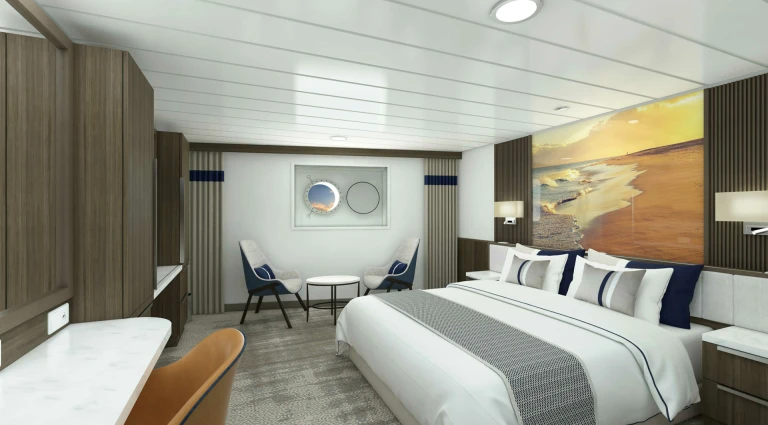 Das Kabinenbild ist lediglich ein Beispiel.
Abweichungen sind möglich.
Das Kabinenbild ist lediglich ein Beispiel.
Abweichungen sind möglich.
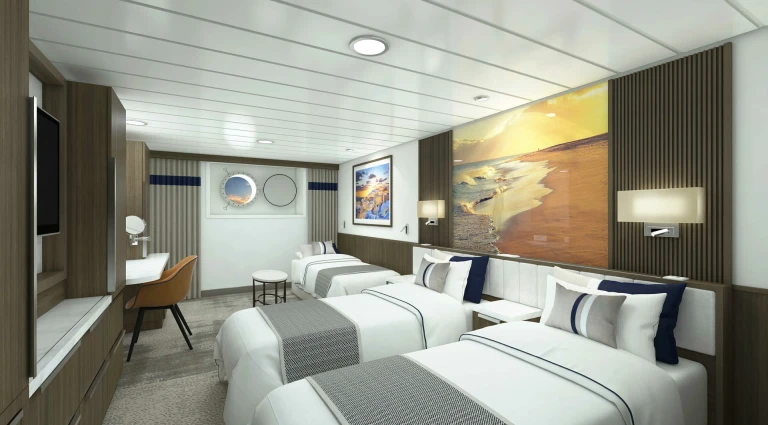 Das Kabinenbild ist lediglich ein Beispiel.
Abweichungen sind möglich.
Das Kabinenbild ist lediglich ein Beispiel.
Abweichungen sind möglich.
Erfahren Sie es zuerst!
Abonnieren Sie unseren Newsletter:
Wählen Sie jetzt noch eine passende Kabine und entdecken Sie polare Welten! Alle Informationen zu dieser Reise mit dem Reisecode ITC001D können Sie ausdrucken oder speichern.
Reisetermin
25.07. - 02.08.2026 (9 Tage)Reederei
Schiff
Douglas Mawson
Reiseverlauf abhängig von Wetter- und Eislage. Beschriebene Naturerlebnisse/Tiersichtungen sind mögliche Ereignisse auf den Expeditionen und nicht garantiert.
Welcome to Italy’s most unique city (Day1)
Welcome to Italy’s most unique city. On arrival at Venice airport, make your way to the Arrivals Hall to meet our representative, followed by a transfer to our group hotel. At the hotel, visit our hospitality desk in the lobby to meet our team, who will provide you with useful information regarding pre-embarkation procedures and about your time the Veneto region. You will also receive cabin tags for your luggage. Please clearly label the tags with your name and your cabin number on the ship. Today offers a chance to relax in preparation for our time in Venice tomorrow. Our group hotel has a popular restaurant and there are nearby trattorias should you wish to try some local cuisine.Accommodation: Venice Hotel
The true magic of Venice is that no matter how many times you visit, it remains a surreal experience. It’s almost impossible to believe that people live and go about their daily lives in this ‘movie-set’ city. (Day 2)
The true magic of Venice is that no matter how many times you visit, it remains a surreal experience. It’s almost impossible to believe that people live and go about their daily lives in this ‘movie-set’ city. Founded in the 5th century as a refuge from barbarian invasions, Venice rose to become a powerful maritime republic and a major centre of trade and culture during the Middle Ages and Renaissance. At the height of its wealth and influence, Venice expanded its empire, leaving an indelible mark across the Mediterranean, evident in the architecture, art, and culture from the Dalmatian coast to the Ionian IslandsUnlike many great cities, Venice lacks grand boulevards, world-class entertainment facilities, and bright neon signage. It is true allure lies in the city’s ability to transport visitors to another world. It is the Venetians who reveal Venice’s true character. In winter, they wear real fur and don sunglasses day and night as they emerge from hidden trattorias, skilfully avoiding the tourist menus. They navigate the city using vaporetto’s, not gondolas, purchase Murano glass directly from the island of Murano, and shrug off remarks regarding the canals' odours with disdainToday, our Venetian guides lead us through their city as honoured guests. We spend time in Saint Mark's Square, marvel at the eclectic Saint Mark’s Basilica, sigh at the Bridge of Sighs, and navigate the maze of alleys leading to the Rialto Bridge. No visit to Venice is complete without an exploration of the city’s canals by gondola. Our gondolier will navigate us through a series of waterways, offering us a unique insight into the ‘other side’ of Venice—a view from the city's many canals. Choose to return to the hotel with your guide or make your way to our coach transfer point later in the day. Venice is yours to exploreThis evening you meet your host and fellow travellers when we celebrate our journey with a Welcome EventAccommodation: Venice HotelMeals: Breakfast, Welcome Event canapés
A mere 24 kilometres west of Venice sits the Venetian city of Padova, where we enjoy a short, locally guided tour and time to explore independently. (Day 3)
A mere 24 kilometres west of Venice sits the Venetian city of Padova, where we enjoy a short, locally guided tour and time to explore independently. Famous as Shakespeare’s Padua, this university city is a hub of history, culture and academic prestige. Home to one of the oldest universities globally, founded in 1222, Padova buzzes with intellectual energy from its students and scholars. Explore Padova’s medieval and Renaissance heritage, centred around the Basilica of Saint Anthony, a pilgrimage site housing relic of the saint. The city’s historical centre features elegant palaces, lively piazzas, and charming cafes lining narrow alleys. Beyond its cultural landmarks, Padova offers culinary delights such as traditional risotto and Venetian-style cicchetti, served in local osterias, promising a blend of history, art and Italian charm that is distinct from its famous neighbourMid-afternoon, we leave Padova and drive to the port of Fusina on the Veneto lagoon, where we board the Douglas Mawson and sail east towards Slovenia. This evening, we enjoy a ‘Welcome Aboard’ dinner, where we meet our crew and Aurora Expeditions team.
Delightfully medieval at its core, the coastal town of Koper acts as our gateway to Slovenia today. Nestled at the crossroads of Central and Southeastern Europe, Slovenia’s cultural identity is deeply rooted in its history. Influenced by the Roman Empire, a millennium under the Holy Roman Empire, and over five centuries of Habsburg domination, Slovenia’s people are historically Slavic, yet their heritage is heavily influenced by Austria and their previous rulers, especially where food, beverages and styles are concerned. (Day 4)
Delightfully medieval at its core, the coastal town of Koper acts as our gateway to Slovenia today. Nestled at the crossroads of Central and Southeastern Europe, Slovenia’s cultural identity is deeply rooted in its history. Influenced by the Roman Empire, a millennium under the Holy Roman Empire, and over five centuries of Habsburg domination, Slovenia’s people are historically Slavic, yet their heritage is heavily influenced by Austria and their previous rulers, especially where food, beverages and styles are concerned. After World War I, Slovenia joined the Kingdom of Serbs, Croats, and Slovenes (later Yugoslavia), gaining independence in 1991 following a brief conflict with Yugoslav forces. Slovenia swiftly integrated with its Western neighbours, becoming an EU member in 2004Head inland to the scenic gem of Lake Bled, tour the haunting cliffside Predjama Castle, or remain on the coast for a morning in the picturesque seaside village of Piran, as you experience the delights of our first slice of Slavic lifePersonalise your exploration with our included ‘Your Choice’ experiences.Option 1 – Morning experience: Piran with Wine TastingDiscover Slovenia’s oldest town, Piran, on this engaging walking tour that highlights its rich heritage and Venetian Gothic architecture. As you wander through Piran’s narrow streets, you will encounter medieval houses that reflect the town’s fascinating history. Often referred to as liquid gold, it was salt, produced in nearby salt fields, which made Piran a wealthy town and very important member of the Venetian Republic’s lines of towns, which spread south along the coastline towards Greece. Arriving at the main square, admire the impressive bronze statue of Giuseppe Tartini – the renowned composer, who significantly influenced Piran’s cultural legacy – before having time to enjoy our own exploration among the town’s colourful shops. Our 45-minute drive, through undulating hills, brings us to a local winery. Here, we receive a guided tour of the cellars and enjoy a tasting of carefully selected wines paired with light cheese snacks, complementing our visit to one of the Adriatic Coast’s most picturesque destinations.Option 2 – Morning experience: Postojna Cave and Predjama CastleExplore two of Slovenia’s most popular sites, starting with the fascinating subterranean world of Postojna Caves, where labyrinthine passages, natural sculptures, and vast chambers entice us underground. Your adventure begins with a train ride into the caves, followed by a guided walking tour that showcases the cave’s intricate network of tunnels, galleries, halls and impressive karst featuresAfter your cave exploration, visit the nearby Predjama Castle, a dramatic fortress built into a 123-metre-high cliff. Dating back to the 12th century, this unique castle is renowned for its Renaissance architecture and tragic history, including the legend of the knight Erazem, who used the castle as a refuge. Discover the castle’s intriguing interior, complete with medieval artefacts and breathtaking views of the surrounding landscape.Option 3 – Full-day experience: Lake BledSlovenia’s sole island hosts us today as we set off for a two-hour drive from Koper to Lake Bled. Located in the Julian Alps, Lake Bled has enchanted visitors since the 19th century. Upon arrival, we board one of the lake’s traditional wooden boats called Pletna for a 30-minute cruise to the lake’s fabled island, taking in views of Bled Castle perched on a cliff above. On the island, ancient Slavs worshipped the goddess of love and fertility, Ziva. Catholic pilgrims later came to the island to visit the Church of St Mary. It is said there is a wishing bell, which when rung twice, makes your wishes come true. Back on dry land, we enjoy a traditional meal, with time to explore the vibrant atmosphere of Lake Bled’s lakeshore resort before returning to the ship at Koper in the late afternoonSailing south we farewell Slovenia and enter Croatia at the famed Istrian Peninsula.
Test
We meet the people living in the ‘borderlands’ today. The Istrian Peninsula, situated at Croatia's entrance, is steeped in a profound Roman heritage. Ancient ruins like well-preserved amphitheatres and temples dot its terrain, bearing witness to centuries of Roman influence. Istria's prized olive oil tradition underscores its Mediterranean charm, with groves dating back through the ages. The wealth brought by this 'liquid gold' to the former Roman colony still resonates today, making Istria a favoured holiday destination for Italians, Slovenians, and Croatians alike. Among its gems, romantic Rovinj shines as Istria's star attraction—a picturesque Mediterranean fishing port with morning markets, scenic cliffside views, renowned restaurants, beautiful beaches, and a year-round calendar of cultural events. Climbing the bell tower offers vistas of Rovinj's historic centre and the Adriatic Sea beyond. Personalise your exploration with our included ‘Your Choice’ experiences.Option 1 – Morning experience: Roaming Rovinj and Pula..Rovinj, known as the city of romance and art, is one of the Mediterranean's most picturesque towns. Once part of the Venetian Republic for over 500 years, its Old Town is perched on a peninsula, adorned with terracotta-roofed houses and crowned by the 18th-century Church of St. Euphemia, whose bell tower dominates the skyline. Your walking tour begins in the town square, leading to St. Euphemia Church, modeled after St. Mark’s campanile in VeniceAfter exploring Rovinj, board your coach for a half hour drive to Ancient Pula, founded by the mythical Jason and Medea. The port city of Pula is renowned for its well-preserved Roman heritage, most notably the Pula Arena, the sixth largest and one of the best-preserved Roman amphitheaters in the world. Built in the 1st century AD, it continues to host concerts and events today. The city's Roman Forum, Temple of Augustus, and Arch of the Sergii stand amongst the modern-day city as testament to its ancient past. Pula's strategic location on the Adriatic coast has made it a bustling port city since antiquity. Its current work-a-day atmosphere contributes to its charm as a working city, which has been its role since ancient timesOption 2 – Morning experience: The Medieval Enclave of MotovunIndulge your senses with the flavours of the Istrian Peninsula during a memorable half-day sightseeing excursion to the medieval enclave of Motovun. A one-hour drive takes us to this walled town. Perched on a hilltop, Motovun retains its medieval charm with narrow streets and well-preserved town walls, making it one of Croatia's hidden gems. Upon arrival, take a guided walking tour past Romanesque, Gothic, and Renaissance-style buildings en route to the main square, dominated by the 13th-century belfry of St. Stephen's Church. Admire the lions guarding the town gates and take in splendid views of the Mirna River Valley below. Motovun forest, a special forest vegetation reserve since 1963, spreads along the Mirna River Valley and is one of the last preserved lowland Mediterranean forests. Although nearly destroyed by the Austro-Hungarian navy, which used its trees to build ships, the forest has become a modern-day rewilding success storyEnjoy free time to explore the village and browse the shops at your leisure. Today, local families produce top-quality homemade products, including dishes made from regional ingredients, often foraged from the forest, and the world-renowned truffles from Motovun forest. A morning in Motovun offers an insight into the lifestyle of locals in Croatia's medieval townsOption 3 – Morning experience: Istria’s Liquid GoldEnjoy a locally guided walking tour of Rovinj, beginning with a stroll to the Town Square and continuing to the hilltop St. Euphemia Church. Following the tour, board your coach and head to the Istrian countryside. Olive oil production in Istria dates to Roman times when it was a significant contributor to the local economy. The region’s fertile soil and favourable climate made it an ideal location for cultivating olives, which were highly valued by the Romans for culinary and medicinal purposes. The trade of olive oil from Istria was a crucial part of the Roman economy, contributing to the prosperity of the region. Today, olive groves still dot the landscape, continuing this rich tradition.We arrive at an award-winning olive grove specialising in growing olives and producing top-quality, extra virgin olive oils. Istrian olive oil is listed among the top 15 olive oils in the world and has been declared the 'most promising in the world' by the renowned guide 'L`Extravergine'. We learn about the fascinating production process during a guided tour of the property before enjoying an olive oil tasting accompanied by smoked ham, cheese, bread, and wine. A scenic 30-minute drive returns us to Rovinj.
Located in the Kvarner region of the northern Croatian Adriatic Sea, Rab is among the “greenest” Croatian islands, thanks to its mild climate. The island’s historical heart is the town of the same name, where medieval charm pervades its narrow streets. Many buildings date back to the 13th century, reflecting Rab’s years spent under Venetian rule. Climbing the Rab Bell Tower rewards visitors with views of the town and sea, offering a glimpse into the island’s storied past. Unique among Croatian islands, Rab is famous for its sandy beaches, particularly around the Lopar Peninsula. (Day 6)
Located in the Kvarner region of the northern Croatian Adriatic Sea, Rab is among the “greenest” Croatian islands, thanks to its mild climate. The island’s historical heart is the town of the same name, where medieval charm pervades its narrow streets. Many buildings date back to the 13th century, reflecting Rab’s years spent under Venetian rule. Climbing the Rab Bell Tower rewards visitors with views of the town and sea, offering a glimpse into the island’s storied past. Unique among Croatian islands, Rab is famous for its sandy beaches, particularly around the Lopar Peninsula. These golden shores, combined with the island’s historical allure, make Rab a captivating destinationPersonalise your exploration with our included ‘Your Choice’ experiences.Option 1 – Morning experience: Walking Rab and a Visit to the CrossbowmenExplore the enchanting island of Rab, known as the ‘island of happiness’. Begin your journey in the town of Rab, where medieval architecture meets Mediterranean life. Stroll through the cobbled streets and admire the town’s bell towers, including the iconic Cathedral of St Mary. Visit the impressive Prince’s Palace, a symbol of Rab’s historical significance, where you hear stories of the island’s past. As you wander through the main square, don’t miss the statues of Draga and Kalifourni, which tell tales of these local legendsA highlight of your tour is meeting a member of the town’s legendary crossbowmen association. The original crossbowmen played a crucial role in Rab’s defence during the Middle Ages. Learn about their fascinating history, traditions, and the importance of their craft as you see their traditional weapons and hear stories of their ancestorial valourOption 2 – Morning experience: Rab Peninsula Scenic Cruise and Beach StopExplore the Rab Peninsula during this half-day water-based excursion. A 30-minute boat ride takes us to the Rab Peninsula. Here, almost hidden in a little bay, lies the St Bernardin Monastery, still known by locals as the ‘St Euphemia Monastery’. Upon arrival, take a guided walking tour of this renowned historical landmark and its interior church, which were painted by Venetian painters throughout the 17th and 18th centuries. During your visit, view the ethnographic collection of old crafts, sculptures, paintings and books. After visiting the monastery, reboard our boat for a half-hour cruise to one of Rab’s popular beaches, where we enjoy a refreshment and free time for swimming prior to returning to our boat and journeying back to Rab townThis afternoon we immerse ourselves in a Croatian tradition, with a concert by a klapa group. Inscribed in 2012 on the Representative List of the Intangible Cultural Heritage of Humanity by UNESCO, klapa is uniquely CroatianThis multipart a cappella tradition from southern Croatia’s Dalmatia region features groups of singers, including first tenors, tenori, baritoni, and basi. Performers stand in a semicircle, with the first tenor initiating the song, to create a harmonious blend of voices. Often dealing with themes of love and local life, klapa songs are performed using open guttural, nasal and falsetto techniques without notation. The tradition, passed down orally, includes ‘traditional klapa’ for its adherence to custom, ‘festival klapa’ for formal performances, and ‘modern klapa’, where younger singers learn through experiences and recordings. Klapa singing remains a vital marker of musical identity in local communities in Croatia, with several groups calling Rab home.
Situated adjacent to the mainland on the Croatian Adriatic Coast, Zadar derives its name from its ancient roots as Iadera, evolving through Roman, Byzantine and Venetian influences. Its strategic coastal position made it a pivotal hub for trade and cultural exchange. Zadar is celebrated for blending ancient history with modern innovation. The city’s Sea Organ, a creation by architect Nikola Bašić, is particularly unique. It features a system of pipes and whistles integrated into perforated stone steps descending into the sea, producing haunting sounds as waves move air through them. Nearby, Bašić also designed a pavement with 300 glass plates, which illuminate in an enchanting light show after dusk.
Additional text record
3rd Additional Record
Situated adjacent to the mainland on the Croatian Adriatic Coast, Zadar derives its name from its ancient roots as Iadera, evolving through Roman, Byzantine and Venetian influences. Its strategic coastal position made it a pivotal hub for trade and cultural exchange. Zadar is celebrated for blending ancient history with modern innovation. The city’s Sea Organ, a creation by architect Nikola Bašić, is particularly unique. It features a system of pipes and whistles integrated into perforated stone steps descending into the sea, producing haunting sounds as waves move air through them. Nearby, Bašić also designed a pavement with 300 glass plates, which illuminate in an enchanting light show after dusk. We sail after sunset this evening, so that you may enjoy this technological marvel, which is only a short stroll from our berth at Zadar’s portPersonalise your exploration with our included ‘Your Choice’ experiencesOption 1 – Morning experience: Walking Zadar’s Old TownWe start our walking tour of Zadar at the stunning Cathedral of St Anastasia, dedicated to the city’s patron saint. As you stroll through the historical streets, you will encounter the iconic Church of St Donatus, believed to have been constructed by Bishop Donatus on Roman foundations in the early 9th century. This monumental circular church, with its three naves, stands as a symbol of Zadar’s unique architectureOur local guide introduces us to the Benedictine convent of St Mary, home to the museum of gold and silver, which has been safeguarded by nuns since the end of World War II. This museum is part of the Permanent Exhibition of Religious Art, showcasing one of Croatia’s most significant cultural collections. Our tour continues to the Bastion Hotel, where we indulge in a delightful cake and maraschino liqueur tasting. Zadar has a long history of liqueur production, dating back nearly 400 years. The renowned maraschino, a bittersweet liqueur made from local marasca cherries, is a true Croatian treasure. Celebrated by historical figures like Napoleon Bonaparte, who enjoyed it after meals, maraschino was officially recognised as an authentic Croatian icon by the Croatian National Tourist Office in 1999Option 2 – Morning experience: The Unique Story of Maskovica Han and Karaba WineryOur morning starts at the unique property of Maškovića Han. This monumental building was commissioned in 1644 by Jusuf Mašković, a high dignitary at the Turkish court and a supreme admiral of the Turkish fleet, during the regions reign of the Ottoman Turks. The construction of Maškovića Han, designed to be a grand summer residence for Mašković. It was conceived as a lavish structure, complete with all necessary comforts, including a Turkish bath (hamam, however, Maskovic’s career took a dramatic turn when he led a 60,000 strong attack on Crete in 1645. Sadly, despite his military successes his actions angered the Sultan, leading to Mašković’s execution. Following the final liberation of Vrana in 1699, the inn was assigned to the Borelli family. Today, their descendants reside in the inn, preserving this historical monumentAfter a mid-morning snack, we continue to one of the region’s famed wineries. At Karaba Wines, the passion for winemaking runs deep. The winery combines traditional winemaking techniques with modern technology, while prioritising a sustainable future. Vines are cultivated using natural methods, and each grape is handpicked. Karaba Wines offers a warm and inviting tasting room where we sample their award-winning wines, including Maraština, Debit, Crljenak, Pošip and Merlot, while overlooking their vineyard and the Adriatic Sea. The knowledgeable staff eagerly share the stories behind each wine, providing an engaging experienceOption 3 – Full-day experience: Nin, the Story of Salt and Škaulj Winery VisitAround 48 kilometres north of Zadar, the historical town of Nin lies on a small island in a shallow lagoon, connected to the mainland by two stone bridges. Founded in the 9th century BCE, Nin became a major centre of the Roman Empire in this region and was later the seat of the first Croatian kings and a significant ecclesiastical hub.After a brief walking tour through its ancient streets, we continue to the Nin Salt Works, where our guide explains that this unique salt is produced naturally by the sun, sea and wind. Historically crucial for food preservation and exploration, sailors were able to venture across the globe, with salt preserving their provisions.Next, embark on a scenic drive to the picturesque Ravni Kotari region. Enjoy a traditional lunch before visiting Škaulj Winery. Renowned for its quality, Šime Škaulj’s wines are produced under strict organic standards. The winery boasts accolades such as a silver medal at the 2012 Decanter London Wine Fair, and the honour of hosting Swedish royals King Gustav XVI and Queen Silvia. Conclude your visit with a tasting of their award-winning wines before returning to Zadar mid-afternoon.
Our port city of Šibenik boasts a rich culture waiting to be discovered. Founded in the 11th century, it is one of the oldest Croatian towns. Šibenik’s most iconic landmark is the UNESCO-listed St James Cathedral, an architectural marvel constructed entirely of stone in the 15th and 16th centuries. The city’s fortresses, like St Michael’s and St Nicholas, offer stunning views and a glimpse into its strategic importance through the ages. (Day 8)
Our port city of Šibenik boasts a rich culture waiting to be discovered. Founded in the 11th century, it is one of the oldest Croatian towns. Šibenik’s most iconic landmark is the UNESCO-listed St James Cathedral, an architectural marvel constructed entirely of stone in the 15th and 16th centuries. The city’s fortresses, like St Michael’s and St Nicholas, offer stunning views and a glimpse into its strategic importance through the ages. During the Croatian War of Independence in the 1990s, Šibenik faced significant conflict but emerged resilient, rebuilding and preserving its historical heritage. The people of Šibenik are known for their warm hospitality, celebrated through traditional festivals, music and culinary delights. This blend of history and lively local culture makes Šibenik a captivating destination for travellersPersonalise your exploration with our included ‘Your Choice’ experiencesOption 1 – Morning experience: Scenic Cruise and UNESCO Sights of ŠibenikThe charming old town of Šibenik is set against a backdrop of island archipelagos and sandy beaches. Like many Croatian towns, it is fortified with impressive medieval stone structures, with the most striking being the 16th-century St Nicholas Fortress, built by the Venetians, with its formidable battlements that overlook the sea. Your day begins at the Šibenik waterfront, where we will embark on a half-hour cruise through St Anthony’s Channel, leading us to St Nicholas Fortress, where we enjoy a locally guided tour. This monument, inscribed on the UNESCO World Heritage List in 2017 as part of the ‘Defence System of the Republic of Venice’ holds centuries of storiesReturning to Šibenik we enjoy a locally guided walking tour visiting the monumental Cathedral of St James, and narrow streets known as kalas. Other highlights include the City Hall and the vibrant heart of the town, complete with its stone streets and bustling crafts centreOption 2 – Morning experience: Croatia’s Liquid GoldJoin us on a delightful tour to explore the significance of olive oil and wine to the early economy of Šibenik and experience their exquisite flavours firsthand. Our itinerary for the day immerses you in the rich heritage and delectable tastes of the Šibenik hinterland. A scenic drive takes you to the award-winning centre of olive oil production: St John. Here, you will discover the art and science behind olive oil production and tour where this ‘liquid gold’ is crafted. Olive oil has been a cornerstone of Šibenik’s economy for centuries, playing a crucial role in trade and daily life. Your visit culminates in a delicious olive oil tasting, sampling some of the finest oils produced in the region. .No visit to Šibenik is complete without experiencing its renowned wines. Our next stop is the Baraka Winery in the Šibenik hinterland. Baraka Winery is celebrated for its dedication to producing high-quality wines that reflect the unique terroir of the region. During your visit, you’ll tour the winery and its cellar, learning about the traditional process of winemaking. Baraka Winery produces a variety of wines, each showcasing the best of Dalmatian viticulture. You will enjoy a hosted wine tasting, savouring rich, full-bodied reds and crisp, refreshing whites, where you can taste the craftsmanship and passion in every glassOption 3 – Full-day experience: A Taste of Croatia – Lunch with Wine Tasting..Journey to the picturesque village of Plastovo, where we explore the vineyards and winery of the Sladić Family, renowned for their winemaking tradition. Guided by their patron, Ante, the family crafts exceptional wines from indigenous grape varieties, prioritising sustainability while honouring their cultural heritage. Nestled on the hills overlooking the historical town of Skradin, near the Krka River and Krka National Park, the Sladić vineyards benefit from a unique microclimate shaped by the river and the Adriatic Sea, offering cool nights and warm, sunny days ideal for viticulture.This experience immerses you in local culture through food and wine. Enjoy a guided vineyard walk with a member of the family who will share insights about the wines you will taste. Indulge in a tasting of six wines and one liqueur, accompanied by a seven-course lunch featuring traditional dishes made from local ingredients. Each course is expertly paired with the wines that celebrate the region’s culinary heritage.
Split's blend of ancient sites and modern delights promises a rich experience at every turn. This 1,700-year-old living museum is now a UNESCO World Heritage Site and one of the most important ports on the Adriatic Coast. Split's heart beats within Diocletian's Palace, commissioned in the 4th century AD by the Roman Emperor himself, seamlessly blending ancient grandeur with modern-day markets, cafés, and shops. (Day 9)
Split's blend of ancient sites and modern delights promises a rich experience at every turn. This 1,700-year-old living museum is now a UNESCO World Heritage Site and one of the most important ports on the Adriatic Coast. Split's heart beats within Diocletian's Palace, commissioned in the 4th century AD by the Roman Emperor himself, seamlessly blending ancient grandeur with modern-day markets, cafés, and shops. The city's Roman legacy echoes through its street layout and the remnants of ancient walls and columns are scattered everywhere. Don't miss exploring historical sites like the Cathedral and Bell Tower of St. Domnius, originally Diocletian's mausoleum, or browsing the souvenir stalls in Diocletian’s Cellars, once used as the palace’s storage rooms. While you are here, be sure to rub the big toe of the Grgur Ninski statue. Sculpted by Ivan Meštrović, this massive statue is one of the defining images of Split. The 10th-century Croatian bishop, Gregory of Nin fought for the right to use old Croatian in liturgical services instead of Latin. His left big toe has been polished to a shine – it’s said that rubbing the toe brings good luck and guarantees that you will return to SplitOur experiences today offer a selection of morning and full day options. For those wishing to return to Split this afternoon, the town is around one kilometre from the ship dependent on our final berth allocationPersonalise your exploration with our included ‘Your Choice’ experiences.Option 1 – Morning experience: Split and SalonaJoin us on a fascinating journey through time as we explore the ancient gems of Split’s surrounds. Your locally guided tour begins with a scenic drive to the ruins of Salona, once the capital of the Roman province of Dalmatia. At its peak, Salona was a thriving city with 40,000 residents. Home to ruins of temples, amphitheaters, churches, burial grounds, and baths, the remnants are considered Croatia’s most important archeological site. Our guides tell us tales of this ancient city as we walk amongst its ruinsReturning to Split’s Old Town, we visit the 4th-century Roman palace erected by Emperor Diocletian. Begin your walking tour with a stroll through the well-preserved basement halls of the palace, viewing the Cathedral of St. Duje, one of the oldest in the world, and the remarkably intact Temple of Jupiter. Enjoy free time to explore or browse for souvenirs in the colourful open-air market, before returning to the ship for lunchOption 2 – Morning experience: The Fortress of Klis and Stella Croatica Ethno VillageYour adventure begins with a visit to Klis Fortress, located just a short drive from Split. This medieval stronghold, perched above the village of Klis, has a rich history dating back over two thousand years. Originally built by the ancient Illyrian tribe Dalmatae, Klis evolved into a royal castle that served as the seat of many Croatian kings. During the Ottoman wars in Europe, it developed into a formidable fortress, guarding the frontier and serving as a key crossroad between the Mediterranean belt and the Balkan rear. Its strategic location, nestled between the mountains of Mosor and Kozjak, made it a crucial defense point against Ottoman advances. In modern times, Klis Fortress has gained fame as a filming location for the HBO series Game of Thrones.Next, continue your journey to Stella Croatica Ethno Village. Begin your visit with a leisurely walk through the orchard and olive grove. The Aroma Park is a highlight, brimming with aromatic herbs and spices unique to Dalmatia. The village itself is a living museum, featuring a collection that reflects traditional Dalmatian life, with houses authentically furnished to transport you back in time. The visit to Stella Croatica offers a captivating glimpse into the region’s rich cultural heritage and traditional way of lifeOption 3 – Morning experience: The Pirate Town of Omiš and a Cruise on the Cetina RiverThe 2,000-year-old village of Omiš is famous for its pirate history. In the 12th and 13th centuries, the feared Omiš pirates dominated the waters as far south as Dubrovnik, attacking ships from Split, Kotor, and even Venice. The town fiercely defended itself until 1444 when it finally fell to the Venetian Empire. Under Venetian rule, Omiš prospered, and much of its current appearance dates to that period. In 1918, Omiš became part of Yugoslavia and later Croatia in 1991.A scenic drive offers grand views of Omiš and the mouth of the Cetina River, with many of its medieval defences still visible on the hill above the town. Here, you will board river boats for a scenic cruise along the Cetina River, which runs parallel to the coast. The boat cruise will take you up the river to an old mill where you can enjoy snacks and refreshments. After our river cruise and time to explore Omiš we return to Split where you can join us for lunch on the ship or choose to explore Split independently. Option 4 - Full day tour: A UNESCO Feast – Split and TrogirA 45-minute drive takes us to Trogir, a UNESCO World Heritage Site since 1997. Squeezed between the mainland and the larger island of Čiovo, Trogir is a veritable open-air museum. Our locally guided tour takes us along narrow, cobblestone passageways lined with Medieval buildings, Renaissance-era palaces, stone houses, churches, monasteries, towers, and city walls. We view the Town Loggia, Town Hall, and Cipiko Palace before visiting the Cathedral of St. Lawrence, a 13th-century masterpiece and one of Croatia's finest examples of sacral architecture. There is time to explore independently before we board our coach for the return drive to Split, having filled our morning with UNESCO World Heritage Sites. Returning to Split, enjoy lunch onboard before meeting our guides for a tour of Split’s UNESCO treasures. Today's Split is a mesmerising blend of 17 centuries of history. Our exploration starts in Split's Old Town, centered around the spectacular Roman Palace built by Emperor Diocletian in the 4th century. Begin your walking tour with a visit to the well-preserved cellars of the palace, then admire the stunning bell tower at the Cathedral of St. Duje, considered possibly the oldest cathedral in the world.
This morning, we disembark the Douglas Mawson for our overnight stay in the coastal gem of Dubrovnik. There is a selection of experiences to enjoy prior to arriving at our hotel. This evening, we look back on our journey when we gather for a “very Dalmatian” Farewell eventThis stunning walled city boasts a history spanning over a millennium. Founded in the 7th century, Dubrovnik thrived as the Republic of Ragusa, a prominent maritime power. Its strategic location encouraged trade across the Mediterranean, with the associated wealth shaping its unique blend of architecture and culture. (Day 10)
This morning, we disembark the Douglas Mawson for our overnight stay in the coastal gem of Dubrovnik. There is a selection of experiences to enjoy prior to arriving at our hotel. This evening, we look back on our journey when we gather for a “very Dalmatian” Farewell eventThis stunning walled city boasts a history spanning over a millennium. Founded in the 7th century, Dubrovnik thrived as the Republic of Ragusa, a prominent maritime power. Its strategic location encouraged trade across the Mediterranean, with the associated wealth shaping its unique blend of architecture and culture. Throughout its history, Dubrovnik faced periods of prosperity and challenges, including conflicts with rival states and invasions. The city’s formidable defensive walls, begun in the 9th century and expanded in the 14th and 15th centuries, symbolise its strategic significance. In modern times, Dubrovnik gained global recognition as a filming location for motion pictures such as “Game of Thrones,” where its ancient walls and historic streets provided the backdrop for King’s Landing. Today, Dubrovnik’s well-preserved medieval architecture, including churches, monasteries, and palaces, continues to attract visitors seeking to explore its rich heritage and cinematic allure along the scenic Adriatic coastPersonalise your exploration with our included ‘Your Choice’ experiencesOption 1 – Morning experience: Locally Guided Walking Tour of Dubrovnik and its City WallsExperience the essence of Dubrovnik with a locally guided walking tour that includes a stroll along its iconic city walls. Beginning at Pile Gate, built in 1537 and adorned with a statue of St Blaise, patron saint of Dubrovnik, the tour takes you through the bustling Stradun, past historical buildings, shops and cafes. Discover landmarks like Onofrio’s Fountain, the Franciscan Monastery, boasting Europe’s oldest pharmacy, and the majestic Rector’s Palace. The highlight awaits as you ascend the ancient city walls, started in the 9th century and fortified through the 15th century against Turkish attacks. Stretching over one kilometre in length and rising 24 metres high, these walls offer panoramic views of the Adriatic Sea and the terracotta rooftops below. Explore forts and towers, each steeped in history, while glimpsing into hidden gardens and courtyards along the residential fringes. From the northern Minčeta Tower to Fort Bokar at the southwestern corner, and ending at Fort St John by the Old Harbour, the walls provide insights into Dubrovnik’s resilience, contrasting with remnants of shelling damage from the 1990s conflict. A walking tour of Dubrovnik’s Old Town and city walls promises an unforgettable journey through timeOption 2 – Morning experience: Walking Dubrovnik and St Vicenzo Dominican Monastery Herbal GardensEmbark on a guided walking tour through Dubrovnik’s Old Town, starting at the historical Pile Gate, built in 1537 and featuring a statue of St Blaise, Dubrovnik’s patron saint. Wander down the bustling Stradun, passing by historical buildings, shops and cafes. Explore landmarks such as Onofrio’s Fountain, the Franciscan Monastery boasting Europe’s oldest pharmacy, and the grand Rector’s Palace.After delving into Dubrovnik’s vibrant history, journey to the lush valley of Zupa Dubrovacka, to discover the St Vicenzo Dominican Monastery. Here, among olive trees and aromatic herbs, experience centuries-old traditions of essential oil and honey production dating back to the 17th century. Learn about the meticulous olive oil production process and the art of beekeeping through informative presentations displaying Croatian traditions. Indulge in tastings of homemade cheeses, pancetta and cured meats, accompanied by smashed olives and savoury delightsOption 3 – Morning experience: Cultural Visit to Konavle valley and Gruda villageDriving along the Dubrovnik Riviera takes you into the rural hinterland of Konavle, where farming communities have thrived for generations. The Konavle County Museum, housed in a building dating back to 1909, originally served as the headquarters for the rural savings society and cultural club. Established in 1974, the museum now proudly displays Konavle’s rich ethnographic heritage, featuring national costumes, textile crafts, jewellery, musical instruments, and more, providing a window into local life, both past and presentContinue your journey to Gruda Village, where Antonia Ruskovic and her fellow residents uphold the ancient art of silk production. Silk, prized since the Roman Empire, is still meticulously crafted here, primarily for embroidering Konavle’s traditional costumes. Gain an insight into every step of silk-making, from cocoon boiling to weaving and embroidery, while engaging with local artisans. Wrap up your countryside experience with a delightful performance of local dances by villagers adorned in traditional Konavle attire. Immerse yourself in Croatia’s rural culture, away from the coastal crowds, and feel free to engage deeply with this authentic glimpse into Konavle’s heritageAccommodation: Dubrovnik HotelMeals: Breakfast on board, Farewell Event canapés
After breakfast, we bid farewell to Dubrovnik and the enchanting stories of “Dalmatia”. An airport transfer with your fellow travellers is included for your onward journey. Meals: Breakfast (Day 11)
After breakfast, we bid farewell to Dubrovnik and the enchanting stories of “Dalmatia”. An airport transfer with your fellow travellers is included for your onward journey. Meals: Breakfast
Airport arrival and departure transfers to/from our group hotel on the first day and final day of your voyage package
Two night’s hotel accommodation, including breakfast, in Venice on Days 1 and 2
One night’s hotel accommodation, including breakfast, in Dubrovnik on Day 10
Onboard accommodation during voyage, including daily cabin service
All meals, snacks, tea, coffee, soft drinks and juices during voyage
Meals listed as included during shore excursions and land portions of the package
Beer and house wine with dinner
Captain’s Farewell reception including four-course dinner, house cocktails, house beer and wine, non-alcoholic beverages
Pre-voyage and post-voyage excursions as listed*
‘Your Choice' shore excursions as listed*
Enrichment experiences as listed, including Welcome and Farewell Events
Presentations and guiding services provided by our Voyage Host, Aurora Expeditions Team and local operators
Gratuities during excursions and enrichment program for local guides, drivers, venues and local sites
Port surcharges, permits, tender, pilot and landing fees
Onboard Wi-Fi
Headsets are available for use during our ‘Your Choice’ experiences when needed
Complimentary access to onboard expedition doctor and medical clinic (initial consultation)
Comprehensive pre-departure information
*Our ‘Your Choice’ shore excursions listed in the itinerary are included. One excursion per person per port of call and city stay package is included, unless stated otherwise. Note, the listed experiences are indicative only. These must be reserved through our passenger portal at least 60 days prior to embarkation and cannot be amended after this time. If we do not receive your choices by this time, you will be allocated excursions by our automated system. Due to restrictions imposed by site management and government bodies, we must have your passport details to purchase tickets for the included sites at the time of booking. We will always do our best to provide you with your first preference of shore excursion; however, we may occasionally need to place you on an alternative excursion for operational reasons.
International or domestic flights – unless specified in itinerary
Transfers – unless specified in itinerary
Airport arrival or departure taxes
Passport, visa, reciprocity and vaccination fees and charges
Travel insurance or emergency evacuation charges
Hotels and meals – unless specified in the itinerary
All items of a personal nature, including but not limited to, alcoholic beverages (outside of dinner service), on board gratuities#, laundry services, personal clothing, medical expenses, email or phone charges
#Note: A US$15 USD per person per day gratuity for the crew is automatically added to your onboard account. It is at your discretion if you would like to remove the tip (or adjust the amount) when you settle your bill. It is not necessary to tip the Aurora Expeditions Team members. This gratuity amount is included for suites as part of their ‘Suite Benefits’.
Ihr Schiff ist die "Douglas Mawson". Ausführlich stellen wir Ihnen dieses Schiff auf unseren Schiffseiten vor. Ausführliche Informationen zu diesem Schiff.
Passagiere
154Bordsprachen

Eisklasse
1A


Haben Sie Fragen zu diesem Reisetermin? Kontaktieren Sie uns gerne telefonisch! Planen Sie mit dem Team von Eisexpeditionen Ihre perfekte Expeditionsreise.
Polare Welten entdecken - mit Eisexpeditionen.de