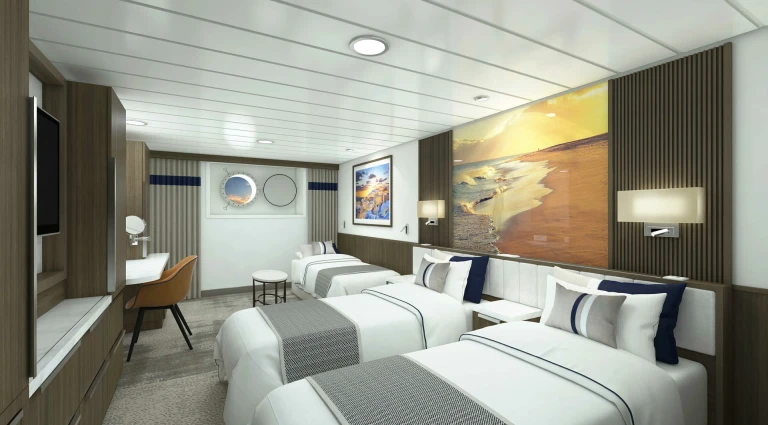
 Das Kabinenbild ist lediglich ein Beispiel.
Abweichungen sind möglich.
Das Kabinenbild ist lediglich ein Beispiel.
Abweichungen sind möglich.
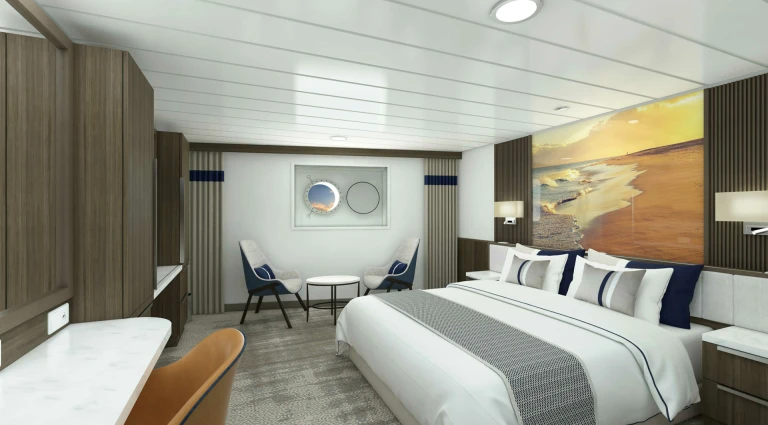 Das Kabinenbild ist lediglich ein Beispiel.
Abweichungen sind möglich.
Das Kabinenbild ist lediglich ein Beispiel.
Abweichungen sind möglich.
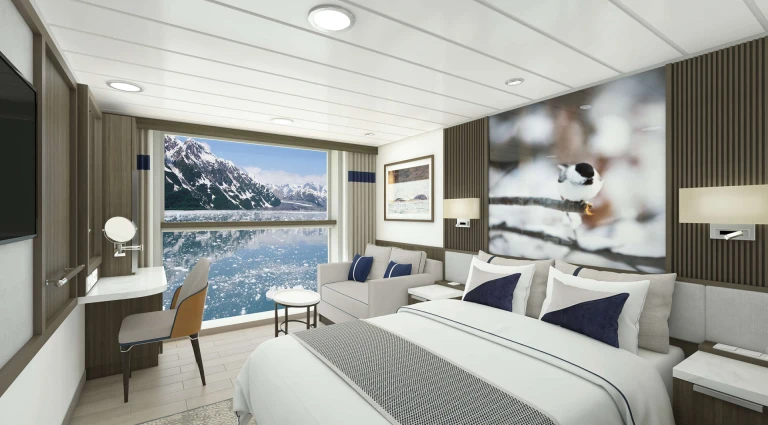 Das Kabinenbild ist lediglich ein Beispiel.
Abweichungen sind möglich.
Das Kabinenbild ist lediglich ein Beispiel.
Abweichungen sind möglich.
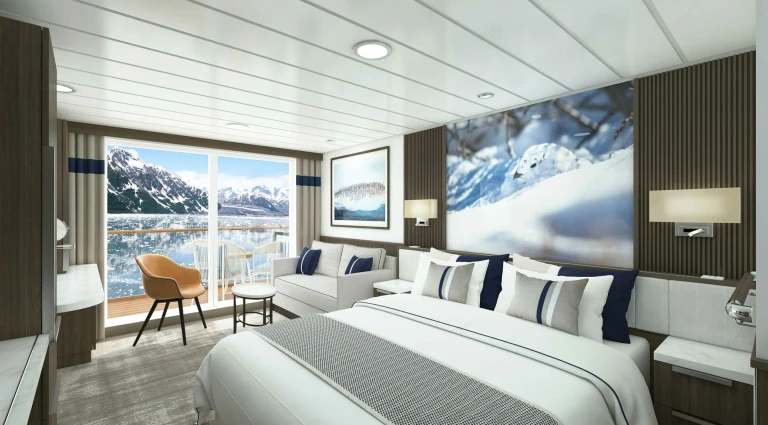 Das Kabinenbild ist lediglich ein Beispiel.
Abweichungen sind möglich.
Das Kabinenbild ist lediglich ein Beispiel.
Abweichungen sind möglich.
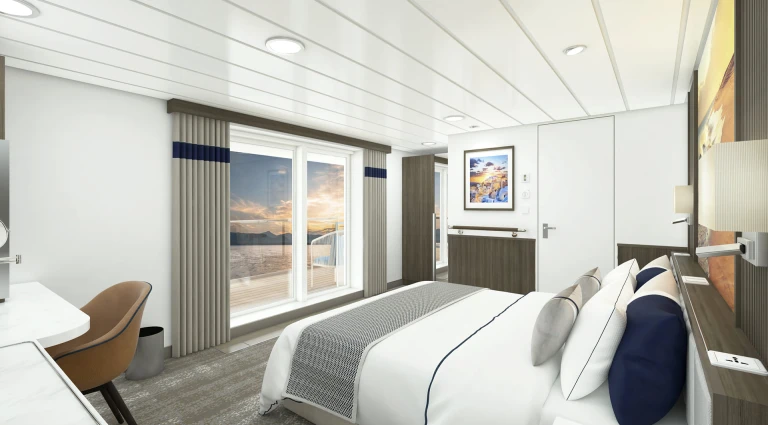 Das Kabinenbild ist lediglich ein Beispiel.
Abweichungen sind möglich.
Das Kabinenbild ist lediglich ein Beispiel.
Abweichungen sind möglich.
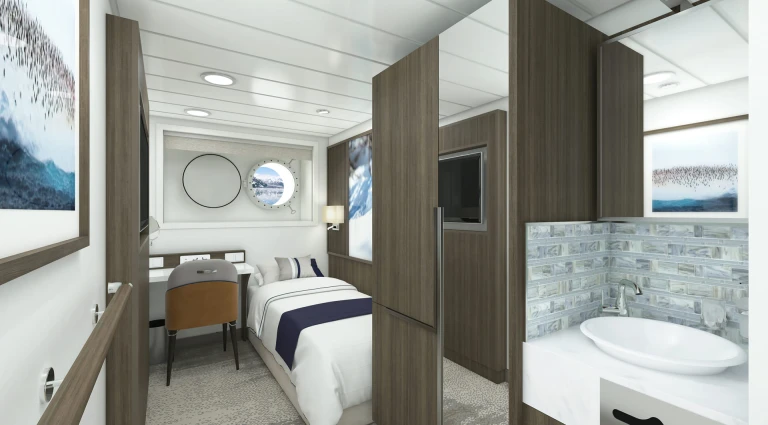 Das Kabinenbild ist lediglich ein Beispiel.
Abweichungen sind möglich.
Das Kabinenbild ist lediglich ein Beispiel.
Abweichungen sind möglich.
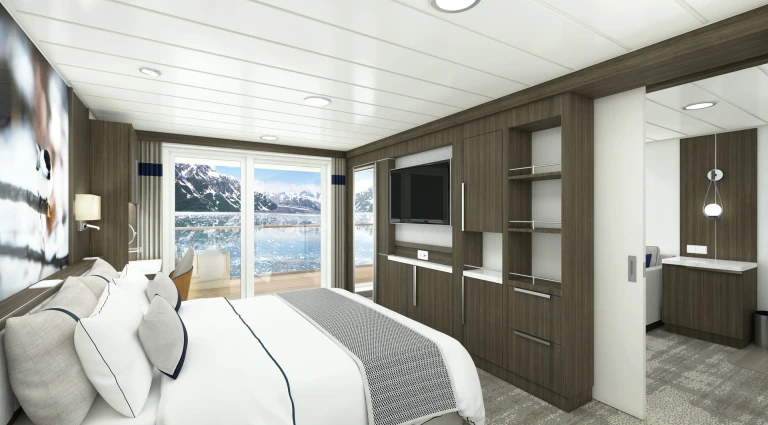 Das Kabinenbild ist lediglich ein Beispiel.
Abweichungen sind möglich.
Das Kabinenbild ist lediglich ein Beispiel.
Abweichungen sind möglich.
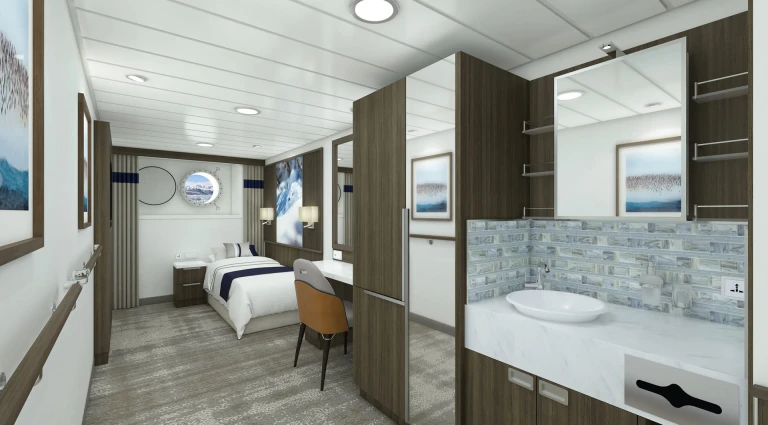 Das Kabinenbild ist lediglich ein Beispiel.
Abweichungen sind möglich.
Das Kabinenbild ist lediglich ein Beispiel.
Abweichungen sind möglich.
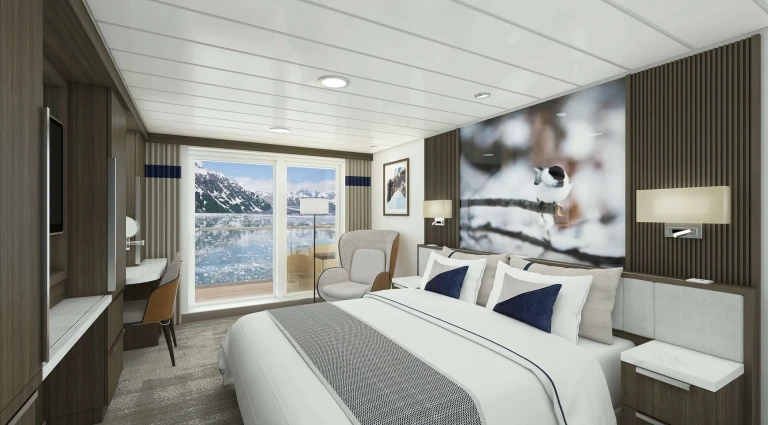 Das Kabinenbild ist lediglich ein Beispiel.
Abweichungen sind möglich.
Das Kabinenbild ist lediglich ein Beispiel.
Abweichungen sind möglich.
Erfahren Sie es zuerst!
Abonnieren Sie unseren Newsletter:
Wählen Sie jetzt noch eine passende Kabine und entdecken Sie polare Welten! Alle Informationen zu dieser Reise mit dem Reisecode POH002D können Sie ausdrucken oder speichern.
Reisetermin
23.04. - 06.05.2027 (14 Tage)Reederei
Aurora ExpeditionsSchiff
Douglas Mawson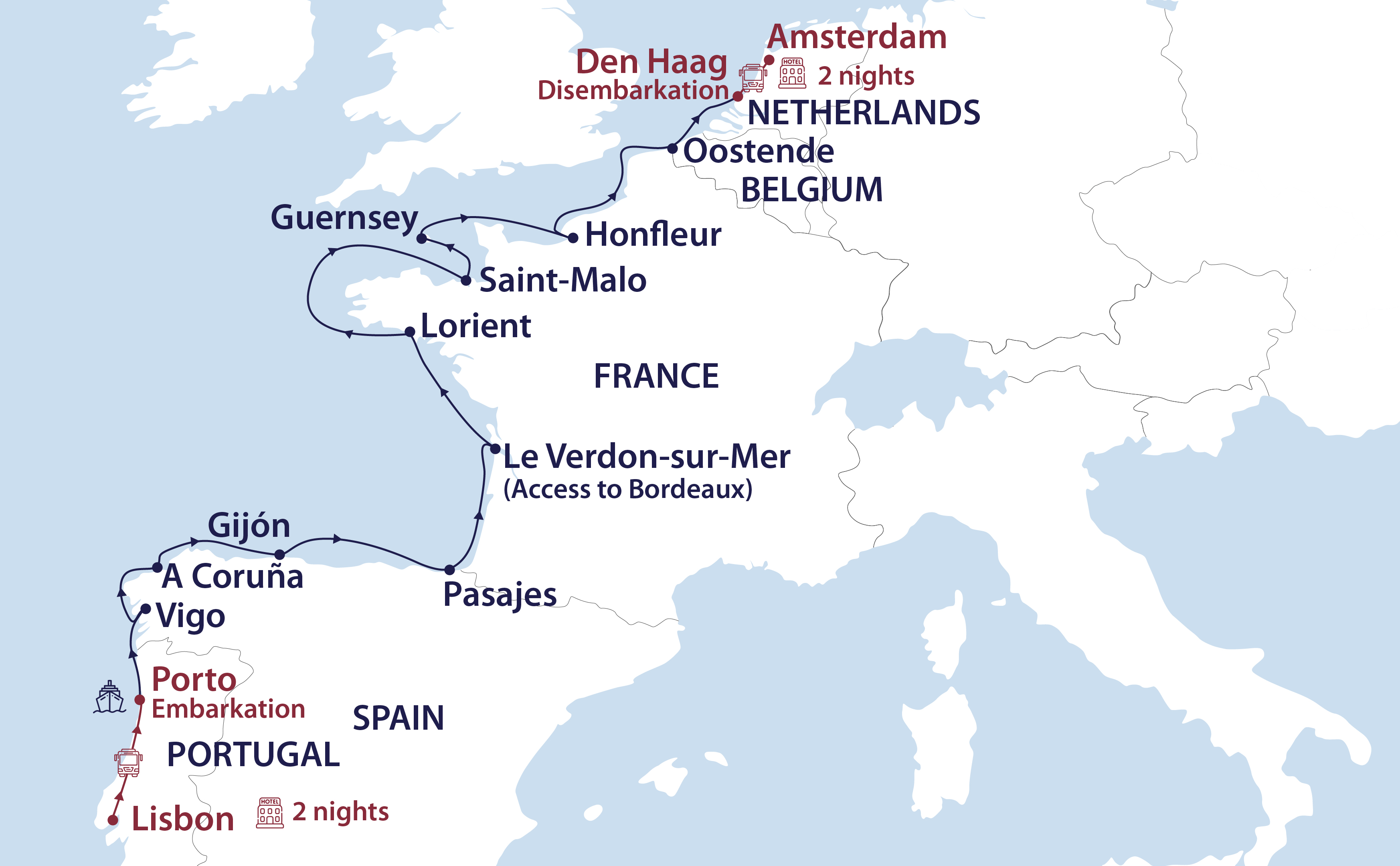
Reiseverlauf abhängig von Wetter- und Eislage. Beschriebene Naturerlebnisse/Tiersichtungen sind mögliche Ereignisse auf den Expeditionen und nicht garantiert.
Welcome to Portugal. On arrival at Lisbon airport make your way to the Arrivals Hall to meet our representative, followed by a transfer to our group hotel. At the hotel, visit our hospitality desk in the lobby to meet our team, who will provide you with useful information regarding pre-embarkation procedures and your time in Lisbon. You will also receive cabin tags for your luggage. Please clearly label the tags with your name and your cabin number on the ship. This evening offers time to relax in preparation for our day exploring Lisbon tomorrow. Accommodation: Lisbon Hotel (or similar).
Lisbon sits on the river Tagus, gifting it access to the coast that made Portugal one of world’s most successful trading nations. Explorers including Vasco da Gama, Magellan and Bartholomeu Dias sailed on behalf of their monarch, discovering new lands and establishing new trade routes. The city prospered, with much of the proceeds from their colonies spent on opulent architecture. On the morning of All Saints Day 1755, Lisbon’s faithful were huddled in church when a 7.7 magnitude earthquake struck, followed by a series of tsunamis that devastated the city. Candles lit for the religious ceremonies began a firestorm. By the end of the day, more than 75 per cent of the population had perished. Current day Lisbon reflects this tragedy, with few buildings pre-dating the 18th century, but money spent to rebuild the city was spent doggedly, creating a city of wide boulevards, sensible facades and parklands, all backed by opulent baroque interiors and paved by unique black and white-tiled pavements. With a relatively small population, Lisbon is an easy city to navigate. Its hillside suburbs are accessed by trams and funiculars while its waterfront remains a busy harbour, ready to continue the trading prowess that made the city famous. The city’s story unfolds today as we visit the suburb of Belem, where we view the exterior of the Monastery of Jerónimos to hear more of Vasco de Gamas’ adventures; the waterfront memorial of Monumento das Descobrimentos, honouring Prince Henri the Navigator and his fellow explorers; and the Torre de Belém - the 16th century fortification which acted as the gateway to Lisbon for all seafarers. This introductory tour tells tales of exploration, colonisation and devastation wrapped together by the history of a city whose influence has shaped much of our modern-day world. Returning to our hotel, your afternoon is free to explore the city further at your own pace, with an evening's Welcome Reception planned where you’ll meet your fellow travellers and your host will introduce you to your voyage. Accommodation: Lisbon Hotel (or similar). Meals: Breakfast, Welcome Reception (drinks and canapés).
This morning, we drive north to Portugal’s ‘second city’, arriving around midday. Porto, Portugal’s second-largest city, entices visitors with its storied past, vibrant culture, and architectural splendour. It was in Porto that the Portuguese ‘Age of Discovery’ began when the indomitable Prince Henry the Navigator set sail to the western coast of Africa in the early 15th century. Porto has never looked back. The city lends its name to the fortified wine produced in nearby valleys, framing the Douro River with its picturesque streets, iconic iron bridges, and renowned wine cellars. We enjoy a panoramic tour of Porto’s most emblematic landmarks before taking some free time to explore the historic district of Ribeira. Perhaps enjoy a coffee, browse local shops, or sip a glass of Portuguese port while soaking up the vibrant atmosphere. It is here, where Porto’s historical Rabelo boats, once vital for transporting port wine barrels, still grace the riverbanks, adding to the city’s authentic charm. We take a short drive to the port of Leixões, to board the Douglas Mawson. This evening, we enjoy a ‘Welcome aboard’ dinner, where we meet our Aurora Expeditions team and crew.
Entering Spain, our first port of call is Vigo. As one of its nation’s leading fishing ports, Vigo’s bustling harbour is a testament to centuries of seafaring tradition. The city’s history is also intertwined with the Camino de Santiago, with pilgrims traditionally arriving by sea before embarking on their journey to Santiago de Compostela. Visitors can enjoy the scenic waterfront, savouring fresh seafood at local restaurants, or explore the historical shipyards, which echo with tales of old. With its lively festivals, lengthy beaches and welcoming atmosphere, Vigo provides a glimpse into Galicia’s coastal heritage for those who would prefer to stay close to the coast. For those wishing to conduct their own pilgrimage today, our ‘Your Choice’ experience takes us to Santiago de Compostela, Europe’s most significant pilgrimage city. Once a major site during the Spanish Reconquista, Santiago was heavily damaged in the 10th century by Moorish invaders, igniting the passion of Christian Iberia and spurring a resurgence based on the city’s fervour for St James. Today, its Old Town, with its mix of Romanesque, Gothic, and baroque buildings, is renowned as the endpoint of the 495-mile Camino Francés pilgrimage route. The Camino de Santiago pilgrimage has been a spiritual journey for centuries, offering people a chance to seek personal transformation, fulfil a vow, or find a sense of purpose. Pilgrims walk the route for various reasons, including religious devotion, self-discovery or the pursuit of adventure. Upon arrival, we visit the pilgrimage trail’s reward - Cathedral of Santiago de Compostela, dating back to 1122, its stunning façade showcases a mix of architectural styles. Step through the Holy Door to delve into the fascinating history of St James and the city’s belief that his bones lie within its walls. Perhaps, enjoy lunch in true pilgrim style at one of the city’s designated pilgrimage restaurants, offering a taste of traditional fare inspired by the Camino, before taking time to explore the city centre at your own pace.
Spain’s ‘secret garden’ is the verdant region of Galicia. This less-visited section of the country is a true gem, beloved by Spanish travellers. Locals still speak Galician, and the blonde, blue-eyed inhabitants proudly hold on to their Celtic heritage. Bring your umbrella, as it may rain, but it’s well worth it. This region is a lush, green enclave amid Spain’s typical dry and arid landscape. The coastal city of A Coruña is steeped in maritime heritage, celebrated through its iconic Tower of Hercules, the only working Roman lighthouse and a UNESCO World Heritage Site. As one of Spain’s major port cities, A Coruña has been a hub of maritime trade and exploration since ancient times, with various naval battles played out off its shores. Its strategic location on the Atlantic coast has made it a pivotal point for voyages across the seas, including journeys to the Americas during the Age of Exploration, when A Coruña served as a departure point for explorers such as Pedro Menéndez de Avilés, who founded St Augustine, thought to be the oldest continuously inhabited European-established settlement in the continental United States. Today, A Coruña seamlessly blends its rich maritime heritage with its role as a dynamic modern city. The picturesque waterfront beckons both locals and visitors to stroll its streets, savour local wines at welcoming bars, indulge in fresh Atlantic seafood, and immerse themselves in the many cultural festivals on its annual calendar. Personalise your exploration with our included ‘Your Choice’ experiences. Option 1 – Morning experience: A panoramic tour of A Coruña. Our visit to A Coruña begins with a panoramic tour showcasing the city’s striking blend of maritime heritage and elegant architecture. As we drive along the scenic coastline, you’ll see the iconic Tower of Hercules, the oldest functioning Roman lighthouse in the world, and enjoy views of sweeping bays, beaches, and bustling port areas. We continue past grand 19th-century buildings, leafy plazas, and the city’s famous glass-fronted balconies, known as galerías, which reflect its connection to the sea. Following the panoramic tour, we stop in the historic old town where you’ll have free time to explore at your leisure. Browse local boutiques, pick up traditional Galician crafts, or simply relax at a café and soak in the lively atmosphere of this charming area. Option 2 – Morning experience: Touring A Coruña, with a Beer Chaser. Experience the vibrant flavours and heritage of A Coruña on this engaging morning excursion. Begin with a drive along Europe’s longest coastal promenade, soaking in the historical charm of the city, including the Castle of San Antón and the Tower of Hercules - an ancient UNESCO World Heritage Site that has served as a lighthouse and landmark at the entrance of La Coruña harbour since the late 1st century CE, when the Romans named it the Farum Brigantium. After immersing ourselves in the city’s rich history, we shift focus to a local favourite: Estrella Galicia. For over a century, this iconic brew has been the beer of choice for Galicians. Our journey continues at the MEGA Museum and Estrella Galicia Beer Factory, a city landmark since 1906. Enjoy a guided tour of the brewery, where you’ll learn about the brewing process and delve into the brewery’s storied past. Then, indulge in a tasting session where you can sample a variety of Estrella Galicia beers, roll your own brew, and savour a selection of five different brews. Option 3 – Morning experience: Ferrol – A Maritime Champion. Across the bay from A Coruña, we visit Ferrol, a town steeped in maritime history. A city hardened by a thousand battles, Ferrol is a wise mixture of culture, urban elegance, and military power, seeking a resurgence in popularity as the starting point of the ‘English Way’ portion of the pilgrimage to Santiago de Compostela. Visit to the shipbuilding museum in Ferrol, offering a deep dive into the town’s rich naval heritage. Housed in a historic building, you’ll learn about the shipyards that have been central to Ferrol’s economy and defence. Interactive displays and multimedia presentations bring to life the stories of the ships built in Ferrol and the people who constructed them. This naval town offers us a chance to embrace its maritime past, which is such an integral part of the communities in this region.
Once a Roman port known as Gigia, Gijón’s maritime legacy dates back centuries, with remnants of ancient docks and Roman baths still visible today. Its strategic coastal location has shaped its identity as a bustling port city, a heritage celebrated through its maritime museum, which houses artefacts and exhibits detailing the city’s seafaring past. Gijón also served as a crucial point of departure for pilgrims on the Camino de Santiago, a medieval pilgrimage route to Santiago de Compostela in northwestern Spain, drawing travellers from across Europe. Local explorers and adventurers, inspired by Gijón’s seafaring traditions, have embarked on voyages that shaped global exploration. Notably, the city was a significant hub for Asturian emigrants who left for the Americas in the 19th and early 20th centuries, contributing to its international ties. Gijón’s waterfront promenades, bustling marina, and vibrant cider houses come alive in the spring, offering a true taste of local life. It’s ‘Apple Bloom’ season in the Asturias, when towns and villages celebrate the apple farms that are scattered throughout the region. Spend your day soaking in the seaside atmosphere of Gijón or opt for one of our ‘Your Choice’ experiences, each designed to add a spring to your step. Our complimentary shuttle will operate this afternoon should you wish to return to town, with Douglas Mawson sailing early evening. Personalise your exploration with our included ‘Your Choice’ experiences. Option 1 – Morning experience: Highlights of Gijon with a cider on the side. We’ll begin our panoramic journey at Cerro de Santa Catalina, a peaceful clifftop park with sweeping sea views and the striking Elogio del Horizonte sculpture. From there, we’ll make our way through the old fishing quarter of Cimavilla, where narrow streets and Roman ruins hint at Gijón’s deep history. As we follow the curve of San Lorenzo Beach, we’ll enjoy a scenic drive along the elegant seaside promenade, taking in the vibrant energy of the coast. Then it’s on to the grand Laboral Ciudad de la Cultura, a monumental 1950s complex where we’ll pause to admire its architecture—and, if you like, take in panoramic views from the tower. To end our tour, we’ll stop at a traditional sidrería for a taste of Asturian cider, poured with flair in the time-honoured local style. (sequence of sites may vary.) Option 2 – Morning experience: Asturias’ Capital – Oviedo. A half-hour drive south of Gijón brings us to Oviedo, the current capital of the Asturias region. This historic city has been crucial in preserving Christianity in the Iberian Peninsula since the 9th century. During this time, Oviedo became a hub of pre-Romanesque architecture, showcasing a distinctive style that influenced religious buildings throughout Spain. But Oviedo’s significance goes beyond its architecture; it was also the seat of the early Asturian Kingdom and remained an important religious and cultural centre throughout the Middle Ages. Our local guide will lead a short walking tour of Oviedo’s downtown. After the tour, you will have time to explore this picturesque city on your own. With its rich historical heritage and modern charm, Oviedo is a favourite destination for visitors to the Asturian coast.
Our time in port today is limited to a lunch stop, but what a special lunch it is. Welcome to the vibrant city of San Sebastián, renowned for its delectable treats. That’s right – it’s tapas time! Tapas, or pintxos as they are known in San Sebastián, offer more than just a meal; they provide a culinary journey that captures the essence of Basque culture. The secret to eating pintxos like a local is to master the txikiteo, a Basque-style food crawl. We split into groups and join a local guide to embark on a txikiteo adventure through the city’s colonnaded plaza and streets, where each bar offers its own specialties. Savour the rich flavours of jamón ibérico, the creamy delight of croquetas, and the tangy bite of boquerones. Pair these with a glass of local txakoli wine or a refreshing cider to enhance the experience. Enjoy every bite and make the most of this delightful lunch stop in one of Spain’s most gastronomically celebrated cities. Although eating txikiteo-style is a Basque tradition, we understand it may not be for everyone. Please feel free to stay on board for lunch or explore San Sebastián independently.
Today, we dock at the port of Le Verdon, the northern gateway to the Médoc region. Due to tidal restrictions on the Gironde estuary, we moor near its mouth, ensuring dependable access to the region's coastline and the renowned vineyards of Le Médoc. The châteaux in Médoc have been producing wines of exceptional quality for centuries, significantly contributing to Bordeaux’s wealth and reputation. Médoc’s unique terroir, with its gravelly soil and ideal climate, allows for the cultivation of grapes that produce wines known for their elegance, complexity, and ageing potential. While some wineries require visitors to be licensed wine merchants, many warmly open their cellar doors for tastings to wine enthusiasts from around the world. Our ‘Your Choice’ experiences offer you the opportunity to immerse yourself in Médoc’s winemaking tradition or learn the dramatic story of the Atlantik Wall WW II fortifications which once scattered this shoreline. For those who would prefer an independent trip to the French seaside, a shuttle will operate from the port to the coastal hamlet of Le Verdon-sur-Mer throughout the day. Personalise your exploration with our included ‘Your Choice’ experiences.Option 1 – Morning experience: The Wines of Médoc – A Winery Tour and Tasting. Discover the heart of the Médoc on a relaxed coach tour through one of France’s most storied wine-growing regions. As you travel along the famed Route des Châteaux, you’ll pass through a landscape draped in vines, where stone châteaux rise among the rows and village church steeples peek above patchworked paddocks. This region is celebrated for its powerful, age-worthy red wines, crafted primarily from cabernet sauvignon and merlot, with touches of petit verdot and malbec. The gravel-rich soils and temperate climate lend structure and elegance to the wines, known for their deep colour, firm tannins, and layered aromas of dark fruit, spice, and cedar. A highlight of the morning is a visit to a traditional château winery. Here, you’ll step into the rhythm of life on the estate, exploring the cellars, learning about their heritage winemaking methods, and enjoying a tasting that reflects the soul of the land. It’s an authentic glimpse into the Médoc’s enduring legacy, where every glass tells a story.Option 2 – Morning experience: The bunkers of the Atlantik Wall. Just beyond the dunes of Soulac-sur-Mer, in the commune of Le Verdon-sur-Mer, lies Batterie de Arros, once known as Stutzpunkt 307 Reichenberg. This sprawling 10-hectare bunker complex was built between 1941 and 1943 by the German Kriegsmarine to defend the mouth of the Gironde River and protect Bordeaux, a vital port for the Nazi war effort. Part of the massive Atlantik Wall, which stretched over 2,600 kilometres (1,615 miles) along Europe’s western coast, the site housed 20 bunkers, including artillery casemates, command posts, and personnel shelters. Touring with a local guide, you’ll explore the remnants of this wartime stronghold, some still bearing original murals and bunk beds. Learn how French forces reclaimed the site in April 1945, and how the Gironde’s strategic importance shaped its heavy fortification. After the tour, enjoy free time in Le Verdon-sur-Mer, where the echoes of history linger in the sea breeze and shifting sands. Choose to return to the ship for lunch or stay on in Le Verdon-sur-Mer and hop aboard our complimentary shuttle to the port when you’re ready.
This afternoon, we arrive in one of France’s most distinctive regions; Brittany. Its residents often consider themselves Bretons first and French second, a reflection of the region’s deep Celtic roots. That heritage is still visible today, from the language and traditions to the music and cuisine. Our afternoon is spent in Lorient, a vibrant port city with a rich maritime history and a lively cultural scene. Founded in the 17th century as the base of the French East India Company, Lorient quickly became a global trading hub, dealing in textiles, porcelain, and exotic spices. Its strategic location later made it a key naval base, though it was heavily damaged during World War II. Today, Lorient has reinvented itself as a centre for sailing, festivals, and Breton pride. *Note: May Day is a public holiday in France and some shops and venues may be closed. Personalise your exploration with our included ‘Your Choice’ experiences. Option 1 – Afternoon experience: Gaugin’s Pont-Aven. A 30-minute drive takes us to the flower-filled village of Pont-Aven. This quaint town, with a rich artistic legacy, is inseparable from the name Paul Gauguin. Gauguin, along with his followers, established an art school here in the late 19th century. As you stroll through the village, you will recognise scenes immortalised in their paintings, giving you a tangible connection to their artistic vision. But Pont-Aven isn’t just about art; it is also renowned for its traditional delicacies, the famed Galettes de Pont-Aven. These buttery biscuits, crafted since the 17th century, have become a staple of France’s culinary heritage, which makes it only right that you savour a galette or two. When in France... Option 2 – Afternoon experience: King Louis 14th – the money behind the man. Step inside the stone walls of Port Louis’s 17th-century citadel and you’re not just entering a museum—you’re stepping into the story of France’s maritime past. At its core lies the legacy of the French East India Company, once headquartered in the fort. You’ll hear stories of spices from India, silk from China, and porcelain from Southeast Asia, and how they helped enrich France’s coffers. Louis XIV, a major investor in the company, used the profits to fund his ambitious vision for France—financing military campaigns, expanding colonial holdings, and building architectural masterpieces like Versailles. The citadel’s Marine Museum brings this era to life with shipwreck treasures and gripping tales of sailors, merchants, and pirates. From deep-sea diving suits to cannons recovered from sunken frigates, every artifact whispers of a time when Port Louis was France’s gateway to the East.
Enjoy a leisurely day at sea, when you can do as much or as little as you, please. Perhaps enjoy a relaxing sauna or relax on the Sun Deck. Otherwise, find a cosy spot in one of the ship’s observation lounges to enjoy a book or catch up on editing your photos.
Sailing the Brittany coast, our small size allows us to dock at the charming city of Saint-Malo. Saint-Malo offers a range of captivating experiences for us to enjoy. Perched on the border of the former kingdoms of Normandy and Brittany, the walled city of St Malo, with its medieval architecture, cobblestoned streets, and shops stacked with delicious Bretonnique treats, is a true ‘pirate town’. This era of privateering earned Saint-Malo the nickname ‘City of Corsairs’ and contributed significantly to its prosperity and dubious reputation. Today, Saint-Malo celebrates this heritage through its museums, festivals, and preserved historic sites, offering visitors a glimpse into its adventurous past as a renowned ‘pirate city’. Personalise your exploration with our included ‘Your Choice’ experiences.Option 1 – Morning experience: The Pirate Town of Saint-Malo. The captivating story of Saint-Malo unfolds this morning as our local guide leads an introductory walking tour through its historic walled centre, before offering us free time to explore Saint-Malo independently. Once a pirate stronghold and later the last town standing in World War II, Saint-Malo stands proudly behind its stone ramparts, steeped in rich maritime history. From the 16th to 19th centuries, it was renowned not for piracy, but for privateering. The town served as a base for corsairs, state-sanctioned privateers authorised by the French crown to capture enemy ships during wartime. Unlike pirates, corsairs operated under official letters of marque and shared their plunder with the French monarchy. These daring seafarers brought wealth and prestige to Saint-Malo, shaping its identity and legacy. Their exploits, especially against English ships, were central to French naval success. As we stroll the narrow streets, our guide recounts tales of legendary figures like Jacques Cartier, Duguay-Trouin, Surcouf, and even the romantic writer Chateaubriand. Their stories, filled with bravery, intrigue, and ambition, breathe life into the storied past of this eclectic coastal town.Option 2 – Afternoon experience: Château du Montmarin. Enjoy a morning exploring Saint-Malo independently and enjoy lunch on the ship, before spending the afternoon at a local gem. It’s springtime in Brittany, flowers bloom, formal French gardens flourish, and few are as impressive as those at the Château de Montmarin. Just 15 minutes from St Malo, this 18th-century estate was transformed by Benjamin Dubois into a thriving shipyard, supplying vessels to the Royal Navy. Set in a sheltered bay on the Rance estuary, it later fell into decline post-Revolution but has been restored by successive owners to its original state, with their passion for plants shaping the gardens, into a blend of French formal design and English naturalism. With Mediterranean rock gardens, a walled vegetable plot, and peaceful terraces, the grounds offer easy pathways and shaded benches to contemplate the Château de Montmarin’s storied history and enjoy the serene gardens at a pace they deserve. *Note: this excursion is scheduled for the afternoon to align with site opening hours.Option 3 – Half-day experience: Mont-Saint-Michel. Normandy’s most recognisable silhouette, UNESCO World Heritage-listed Le Mont-Saint-Michel has captured the imaginations of pilgrims, artists and travellers for centuries. Founded as a monastery in the 8th century, Le Mont-Saint-Michel became a significant pilgrimage destination during the Middle Ages. Its abbey, perched atop the island’s rocky peak, is a masterpiece of medieval architecture, blending Romanesque and Gothic styles. The narrow, winding streets of the village below the abbey are lined with shops, restaurants, and houses dating back centuries. Visitors can explore the abbey’s intricate chapels, cloisters and panoramic viewpoints, which offer sweeping vistas of the bay. According to Christian tradition, Saint Michael is known for his role in the final judgment, where he is often portrayed as weighing souls and leading the righteous to heaven, while casting out evil. Statues of Saint Michael are often placed in elevated positions, such as atop spires or high points in churches and cathedrals, symbolising his role as a heavenly figure overseeing and protecting the faithful below. Le Mont-Saint-Michel itself embodies this symbolism, rising dramatically from the flats as a single standout site. Its unique blend of natural beauty and architectural marvels continues to captivate travellers, making it one of France’s most iconic and enthralling destinations. *Note: Currently, Mont Saint-Michel is accessible year-round via a footbridge. The car park is located 2.5 km from the entrance, with a free shuttle bus running approximately every 15 minutes; however, queues can be excessive during peak times. Visiting the peak requires climbing around 350 steps, which is the only access to the summit.
A mere 30 miles off the Normandy coast, the self-governing British Crown Dependency the Bailiwick of Guernsey, is one of the eight permanently inhabited strongholds of the Channel Islands. Despite being closer to France, Guernsey holds to its distinctive British character. When William the Conqueror, Duke of Normandy, became King of England in 1066, the Channel Islands, including Guernsey, became possessions of the English Crown. They have remained British Crown Dependencies ever since. Our morning ‘Your Choice’ experiences return to the ship for lunch, affording you an afternoon to wander the streets of St. Peters Port, with the ship berthed at the town’s centrally located port. Perhaps, browse the shops, cake shops and quaint pubs, or tour Castle Cornet or visit Victori Hugo’s 19th century home, before we set sail in the early evening. Personalise your exploration with our included ‘Your Choice’ experiences. Option 1 – Morning experience: Scenic Guernsey and the sculptures of de Sausmarez Manor. Guernsey’s compact size makes it easy to take in many of its scenic highlights in one relaxed outing. Our morning involves a rich blend of history, charm, and natural beauty, with a scenic tour of the south of the island and a visit to de Sausmarez Manor—a striking example of Colonial American architecture with roots in the 13th century. Our panoramic drive reveals Guernsey’s diverse landscapes—from timeless villages to dramatic coastal scenery. You’ll take in views of rocky shorelines, the crescent bays, and the “cup and saucer” Fort Grey, with a stop at Pleinmont Point offering vistas across to the French coast. You’ll also have time to explore the home the Seigneurs de Sausmarez; de Sausmarez, Manor. The family’s dynasty included privateers, colonial governors, explorers, and artists, all of whom have left their mark on the house and its remarkable contents. The surrounding sculpture gardens feature over 150 contemporary works displayed along winding woodland paths making this visit a gardener's delight. Option 2 – Morning experience: Guernsey at War. Guernsey and the other Channel Islands were the only British territories occupied by Axis forces during World War II. The occupation began on 30 June 1940 and lasted until 9 May 1945. The Germans transformed Guernsey into a heavily fortified stronghold with bunkers, gun emplacements, and tunnels. Life under Nazi rule was harsh. Rations were limited, and by late 1944, food, fuel, and medical supplies were critically low. Communication with the outside world was nearly impossible. Over 1,000 of the 24,000 islanders who remained were deported to German prisons and labour camps; only about 700 survived to return home. Our guided tour of Guernsey’s World War II sites offers a poignant insight into the island’s wartime experience. Visit the German Occupation Museum, where artefacts donated by locals offer a personal glimpse into daily life under occupation. At the German Naval Signals HQ, discover how this former hotel became a key communications centre. Explore the La Valette Underground Military Museum, housed in original wartime tunnels built with forced labour. Intended as a U-Boat fuel store, they reveal both the scale of Nazi fortifications, and the suffering endured.
We arrive at the mouth of the River Seine with tidal restrictions permitting us access to Honfleur mid-morning. Originally a bustling trade port, Honfleur boasts charming streets and an iconic harbour. During the Hundred Years’ War, it briefly fell under English occupation and thrived as a crucial trade hub, particularly with North America and later French Canada, when local explorer Samuel de Champlain founded Quebec. Honfleur’s ship owners amassed fortunes, which remain evident today in the multi-storeyed terraced homes tightly packed around the harbour, as symbols of status and wealth. In the 19th century, Honfleur’s appeal transcended commerce, when artist Claude Monet followed his mentor, Eugène Boudin, to his hometown. He and his fellow Impressionists were captivated by the town’s ethereal light immortalising it on canvas. Today, the Vieux Bassin hosts yachts against a backdrop of centuries-old buildings, where quaint shops, vibrant galleries, and seafood restaurants beckon visitors to savour regional flavours in this picturesque coastal setting. Choose to explore Honfleur’s picturesque streets, visit the spring blossoms of a renowned Calvados producer, cruise the Seine, or explore the historic city of Rouen. Personalise your exploration with our included ‘Your Choice’ experiences. Option 1 – Morning experience: Strolling Honfleur. Honfleur is a perfect town to explore in Spring; fitting for a town whose name includes fleur, the French word for flower. Flower boxes brighten the streets, and the soft light that once inspired artists like Claude Monet and Eugène Boudin still draws painters today, while our visit on a Wednesday affords us time to browse the weekly organic market, with local cheeses, bread, flowers, and produce all on view, a classic French spring experience. A harbour town like no other in France, Honfleur is a picture-perfect piece of France. We join our local guide for a walk through the cobbled lanes and past timber-framed houses, where we’ll see why Honfleur became a centre of Impressionism. We take the time to admire the play of the water mirror and the changing reflections of the lights of the Seine Estuary and Honfleur’s picturesque Vieux Bassin as the impressionist artists did so many years ago. Option 2 – Morning experience: Normandy’s crush on Calvados. Visiting a calvados winery in spring offers an immersive experience into Normandy’s apple country. As you arrive, you are greeted by orchards bursting with apple blossoms, their soft petals and sweet fragrance creating an iconic springtime display. This picturesque setting embodies the charm and personality of Normandy, where calvados, the region’s beloved apple brandy, plays a central role in the community’s social life and regional cuisine. During the tour, you will stroll through these stunning orchards and learn about the traditional apple varieties used in crafting calvados. The journey continues with insights into the fermentation and distillation processes that create this rich, amber spirit. In addition to savouring different calvados varieties during the tasting session, you will discover how this iconic drink enhances local dishes, from savoury sauces to decadent desserts. The blend of spring blossoms and culinary tradition makes a visit to a calvados winery a seasonal insight in the Normandy psyche. Option 3 – Half day experience: St Joan of Arc’s Rouen. Join a locally guided tour to Rouen, the historic capital of Normandy. Renowned for its stunning medieval architecture, the city’s crown jewel is the Rouen Cathedral, an awe-inspiring Gothic masterpiece that inspired many of Claude Monet’s paintings. As you wander through the charming old town, you will encounter half-timbered houses, cobblestone streets, and the impressive Gros-Horloge, an astronomical clock dating back to the 14th century, while a stroll along the River Seine reveals bustling markets and quaint cafes that offer a taste of local life. The city is famously tied to St Joan of Arc, the national heroine of France who led French troops to several important victories during the Hundred Years’ War. Captured by the English, she was tried for heresy and burned at the stake in Rouen in 1431. Her legacy endures throughout the city. With its blend of historical significance and 21st-century culture, Rouen provides a fascinating glimpse into the past while remaining a lively, modern destination.
This afternoon, we arrive in the Belgian seaside city of Oostende for an insight into one of northern Europe’s kingdoms. A land of two peoples, Belgium is famous for its Flemish flair and Walloon warmth. Cyclists glide through cobbled towns like local royalty, and yes, pigeon racing is a national obsession, with prized birds fetching prices that rival sports cars. From medieval cities to chocolate shops, Belgium balances tradition with eccentricity. It’s small in size but big on character, where waffles are serious business and the weather is anyone’s guess. Its compact size affords us an afternoon to choose between two contrasting experiences or simply soak up some seaside atmosphere in Oostende itself, before we sail mid-evening to the Netherlands. Personalise your exploration with our included ‘Your Choice’ experiences. Option 1 – Afternoon experience: Beautiful Bruges. Since their creation, the purpose-built canals of Bruges have connected the city centre to the sea, bringing wealth and prosperity. International merchants transformed Bruges into one of the largest Hanseatic cities. By the 15th century, the city flourished, with much of its medieval heritage remaining intact to this day. Walking its streets, it’s no surprise that UNESCO designated the entire city centre a World Heritage Site. Join a locally guided walking tour and stroll along the enigmatic canals, the city’s lifeblood. Immerse yourself in Bruges’ Golden Century, exploring its medieval architecture, cobblestone streets and charming squares. Discover the city’s rich history as a major trading hub and uncover hidden gems. With time to wander, choose to indulge in some of Bruges’ famous Belgian chocolates, enjoy a cone of freshly fried fries with mayonnaise, or sip a handcrafted beer from one of the city’s bierkellers. This tour offers a light-hearted introduction to this historic market town, revealing the delights that make it such a popular destination. Option 2 – Afternoon experience: The Atlantic Wall – a World War II story. Located near Ostend on Belgium’s coast, the Atlantikwall Raversyde is an open-air museum preserving remnants of Nazi Germany’s vast coastal defence system built during World War II. The Atlantic Wall stretched over 2,700 kilometres (1,677 miles) from Norway to the French Spanish border and included thousands of bunkers, gun emplacements, and fortifications. This massive project required around 15 million cubic meters of concrete and over half a million troops and labourers to construct. Many of these labourers were forcibly brought from occupied countries, including prisoners of war and concentration camp inmates, who worked under brutal conditions. At Raversyde, we explore well-preserved bunkers and trenches, gaining a vivid understanding of the harsh conditions soldiers faced. The site stands as a powerful reminder of the immense scale of the conflict, the human cost behind the defences, and Germany’s desperate efforts to control Western Europe’s coastline.
After breakfast, we disembark near the capital of The Netherlands; Den Haag. Today’s journey is all about experiencing the beauty of a European spring as we make a stop en route to Amsterdam at one of Holland’s most spectacular springtime sights. Nothing says welcome to Holland like tulips, so get ready to say ‘Welkom in Nederland’ as we visit Keukenhof Gardens during the annual Tulip Festival. Touted as the ultimate European spring experience, over seven million flower bulbs are meticulously planted each autumn to bloom in spring, creating a spectacular display of colour. With 800 different varieties of tulips, the gardens offer a visual feast that captures Dutch horticultural excellence. As you explore the landscaped gardens, you’ll encounter intricate floral displays, themed gardens, and tranquil ponds, each more stunning than the last. The Tulip Festival celebrates not just tulips, but also daffodils, hyacinths and other springtime flowers, all arranged in creative patterns and designs. *Note: dates for Keukenhof in 2027 are yet to be confirmed. If our visit falls outside of these dates or if tickets are unavailable, we will provide a suitable alternative. Accommodation: Amsterdam Hotel. Meals: Breakfast onboard.
Tolerant. Intelligent. Inclusive. There are many terms to describe Amsterdam, the city built around canals that began as a humble trading centre and grew into a global powerhouse. Founded in the late 12th century, Amsterdam quickly established itself as a pivotal hub for commerce, sending explorers and traders to the far corners of the New World. This spirit of adventure and openness to different cultures has shaped the city’s character, making it a melting pot of diversity and innovation. Today, Amsterdam offers travellers a unique mix of picturesque canals, world-class museums, and a progressive, welcoming atmosphere. Whether you are strolling through its historical neighbourhoods, exploring its world-class art scene, or simply enjoying a Heineken by a canal, Amsterdam promises to put a smile on your face. Our ‘Your Choice’ experiences today offer a chance to view the many faces of Amsterdam, with time this afternoon to explore the city at your own pace. Perhaps visit one of Amsterdam’s renowned galleries, delve into Holland’s brewing process at the Heineken Experience, or explore the poignant history of Amsterdam during World War II through the diaries of Anne Frank at the Anne Frank House. This evening, we gather to celebrate the European spring at a Farewell Reception. Personalise your exploration with our included ‘Your Choice’ experiences. Option 1 – Morning experience: The Canals of Amsterdam. Join a canal cruise in Amsterdam and dive into the heart of this captivating city. The canals, laid out in the 17th century during the Dutch Golden Age, are more than just scenic waterways—they are a living historical map. Lined with former merchant houses, each building reveals a chapter of Amsterdam’s past, showcasing the wealth and grandeur of its trading history. In spring, the canals come alive with vibrant colour as many bridges are adorned with flowers and residents place flower boxes on their homes, adding a touch of seasonal charm. The canals are impeccably clean, reflecting the city’s dedication to preserving their beauty and liveability. As you glide along, you will experience how these historical waterways continue to shape Amsterdam’s vibrant daily life, from houseboats and floating cafes to the occasional spring swimmer. Option 2 – Morning experience: Vincent van Gogh. Visiting the Vincent van Gogh Museum in Amsterdam is a perfect conclusion to a spring journey. Home to the world’s largest collection of Vincent van Gogh’s works, this museum offers a profound insight into the artist’s life and artistic evolution. Among the highlights is the celebrated ‘Sunflowers’, painted in 1888, which exemplifies Vincent van Gogh’s innovative use of colour and his deep appreciation for nature’s beauty. The museum’s exhibits thoughtfully trace Vincent van Gogh’s development, revealing the emotional depth and intensity behind his creations. As you wander past painting after painting, you will gain a deeper understanding of Vincent van Gogh’s complex personality and his transformative impact on art, making this visit a fitting end to your exploration of spring’s beauty. Option 3 – Half-day experience: Zaanse Schans – a Pocket of Amsterdam’s Past. As you approach Zaanse Schans, it is hard to believe you are still in 21st-century Amsterdam. The iconic windmills, their sails turning slowly, provide a historical backdrop against lush meadows. Inside, the creak of wood and the whir of machinery reveal the mills’ vital role in Dutch industrial innovation. Dating back to the 17th century, these mills were essential for sawing wood and grinding oil, flour, spices, and pigments. Today, you can still enter a mill and learn from a host how these age-old processes worked. Strolling through Zaanse Schans, you will hear the distinctive clatter of wooden clogs on cobblestones and witness the craftsmanship behind Dutch cheeses and Delft Blue pottery. Artisans at the Weavers’ House and Tiemstra’s Coopery continue these traditional crafts. Each building and craft evoke nostalgia, connecting you to centuries of history. Though it is a living community, visiting Zaanse Schans feels like stepping into a bygone era. Accommodation: Amsterdam Hotel (or similar). Meals: Breakfast, Farewell Reception (drinks and canapés).
After breakfast, check-out of your hotel and transfer to the airport for your onward flight. Meals: Breakfast.
Airport arrival and departure transfers to/from our group hotel on the first and the final day of your voyage package
Two nights’ hotel accommodation, including breakfast, in Lisbon on Days 1 and 2
Two nights’ hotel accommodation, including breakfast, in Amsterdam on Days 15 and 16
Onboard accommodation during voyage, including daily cabin service
All meals, snacks, tea and coffee during voyage
Meals listed as included during shore excursions and land portions of the package
Beer, house wine and soft drinks with dinner
Captain’s Farewell reception, including four-course dinner, house cocktails, house beer and wine, non-alcoholic beverages
Pre-voyage, post-voyage and shore excursion, ‘Your Choice' experiences as outlined in the itinerary*
Enrichment experiences as listed, including Welcome and Farewell Receptions
Onboard presentations and guiding services provided by our Voyage Host, Aurora Expeditions Team and local operators
Gratuities during excursions and enrichment program for local guides, drivers, venues and local sites
Port surcharges, permits, tender boat transfers, pilotage and landing fees
Onboard Wi-Fi
Headsets are available for use during our ‘Your Choice’ experiences when needed
Complimentary access to onboard expedition doctor and medical clinic (initial consultation)
Comprehensive pre-departure information
International or domestic flights – unless specified in itinerary
Transfers – unless specified in itinerary
Airport arrival or departure taxes
Passport, visa, reciprocity and vaccination fees and charges
Travel insurance or emergency evacuation charges
Hotels and meals – unless specified in the itinerary
All items of a personal nature, including but not limited to, alcoholic beverages (outside of dinner service), on board gratuities#, laundry services, personal clothing, medical expenses, email or phone charges
#Note: A $15 USD per person per voyage day gratuity for the crew is automatically added to your onboard account. It is at your discretion if you would like to remove the tip (or adjust the amount) when you settle your bill. It is not necessary to tip the Aurora team members, local guides, drivers, venues and local sites. This gratuity amount is included for suites as part of their ‘Suite Benefits’.
Ihr Schiff ist die "Douglas Mawson". Ausführlich stellen wir Ihnen dieses Schiff auf unseren Schiffseiten vor. Ausführliche Informationen zu diesem Schiff.
Passagiere
154Bordsprachen

Eisklasse
1A


Haben Sie Fragen zu diesem Reisetermin? Kontaktieren Sie uns gerne telefonisch! Planen Sie mit dem Team von Eisexpeditionen Ihre perfekte Expeditionsreise.
Polare Welten entdecken - mit Eisexpeditionen.de