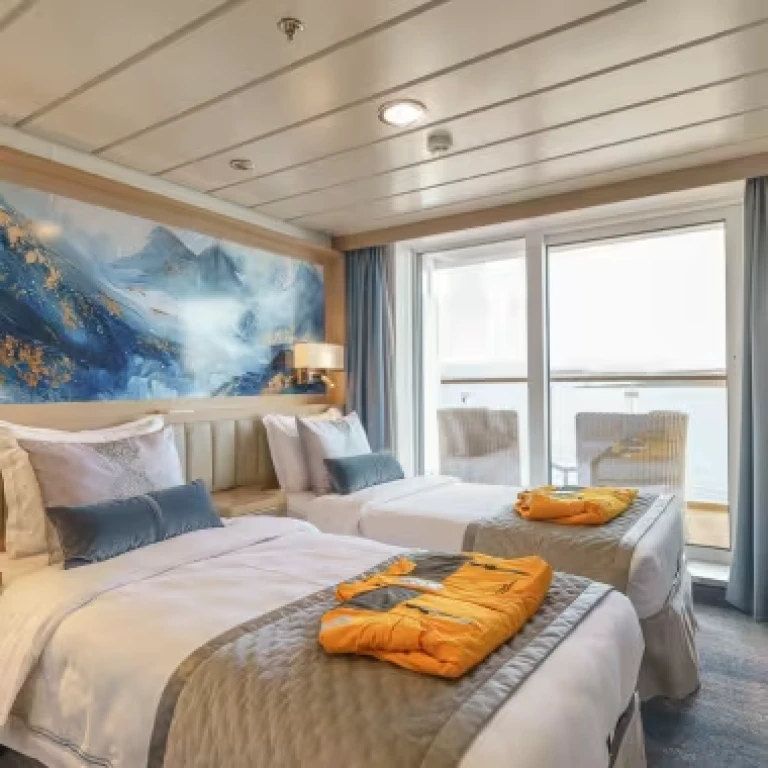
 Das Kabinenbild ist lediglich ein Beispiel.
Abweichungen sind möglich.
Das Kabinenbild ist lediglich ein Beispiel.
Abweichungen sind möglich.
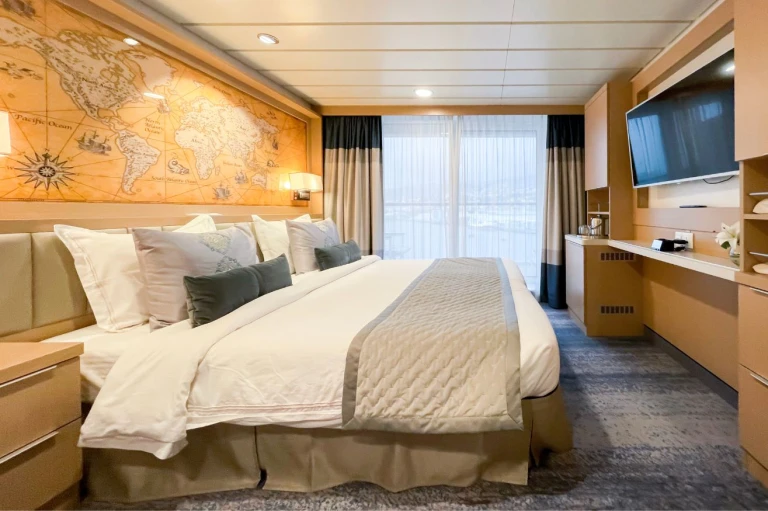 Das Kabinenbild ist lediglich ein Beispiel.
Abweichungen sind möglich.
Das Kabinenbild ist lediglich ein Beispiel.
Abweichungen sind möglich.
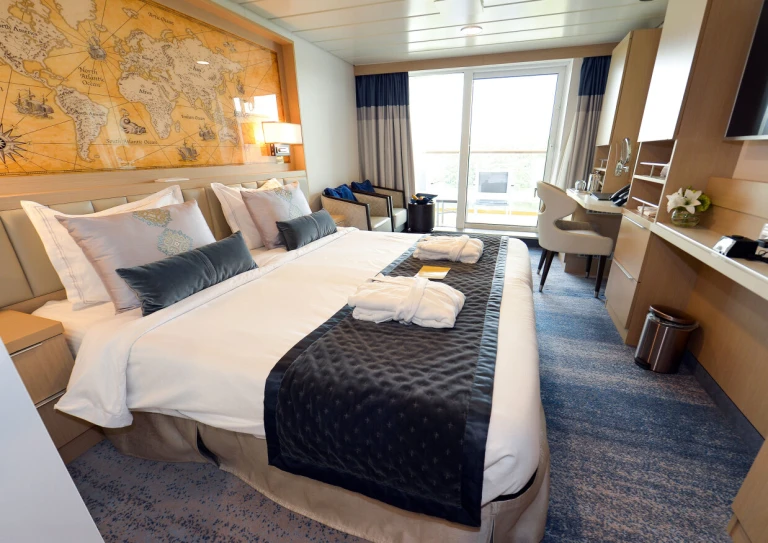 Das Kabinenbild ist lediglich ein Beispiel.
Abweichungen sind möglich.
Das Kabinenbild ist lediglich ein Beispiel.
Abweichungen sind möglich.
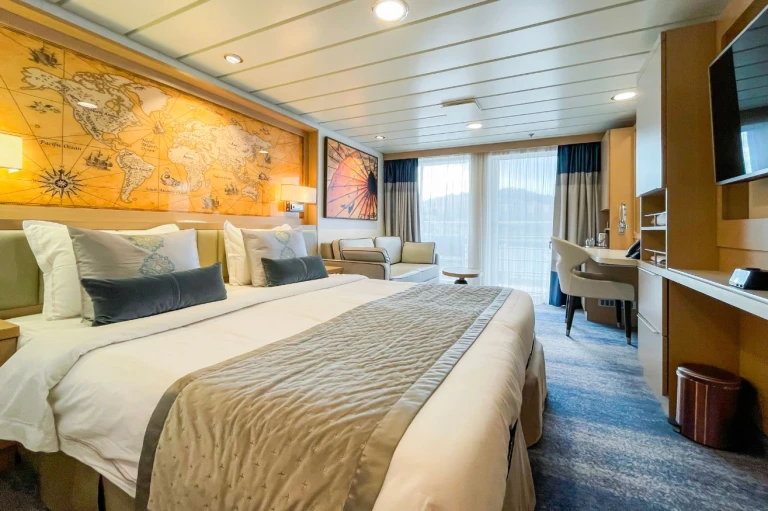 Das Kabinenbild ist lediglich ein Beispiel.
Abweichungen sind möglich.
Das Kabinenbild ist lediglich ein Beispiel.
Abweichungen sind möglich.
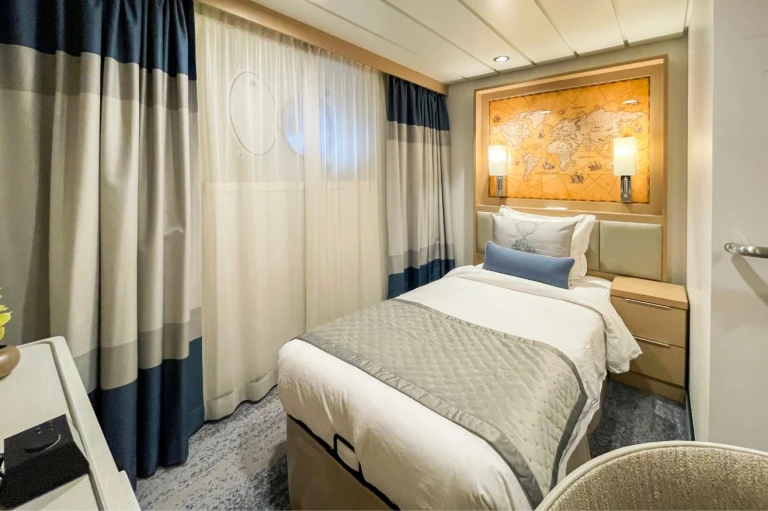 Das Kabinenbild ist lediglich ein Beispiel.
Abweichungen sind möglich.
Das Kabinenbild ist lediglich ein Beispiel.
Abweichungen sind möglich.
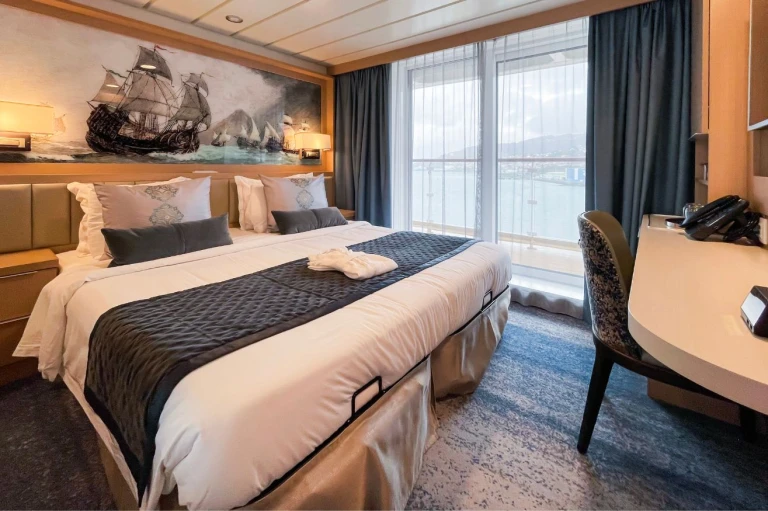 Das Kabinenbild ist lediglich ein Beispiel.
Abweichungen sind möglich.
Das Kabinenbild ist lediglich ein Beispiel.
Abweichungen sind möglich.
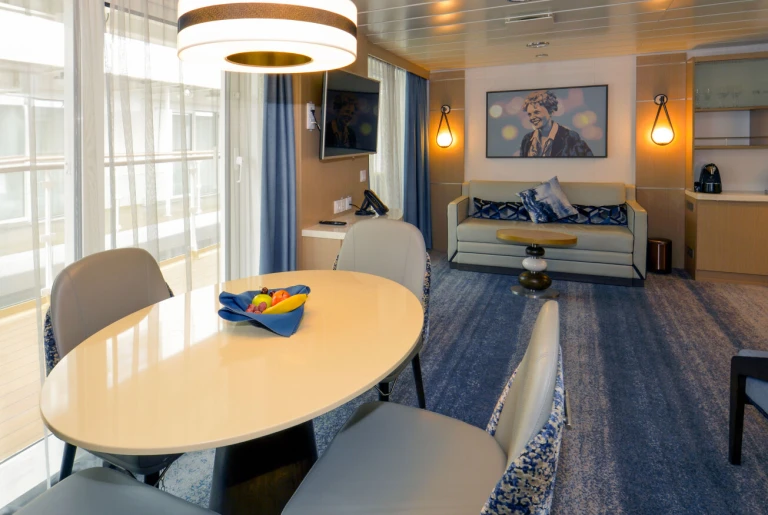 Das Kabinenbild ist lediglich ein Beispiel.
Abweichungen sind möglich.
Das Kabinenbild ist lediglich ein Beispiel.
Abweichungen sind möglich.
 Das Kabinenbild ist lediglich ein Beispiel.
Abweichungen sind möglich.
Das Kabinenbild ist lediglich ein Beispiel.
Abweichungen sind möglich.
 Das Kabinenbild ist lediglich ein Beispiel.
Abweichungen sind möglich.
Das Kabinenbild ist lediglich ein Beispiel.
Abweichungen sind möglich.
Erfahren Sie es zuerst!
Abonnieren Sie unseren Newsletter:
Wählen Sie jetzt noch eine passende Kabine und entdecken Sie polare Welten! Alle Informationen zu dieser Reise mit dem Reisecode OEX20281013 können Sie ausdrucken oder speichern.
Reisetermin
13.10. - 01.11.2028 (20 Tage)Reederei
Quark ExpeditionsSchiff
Ocean Explorer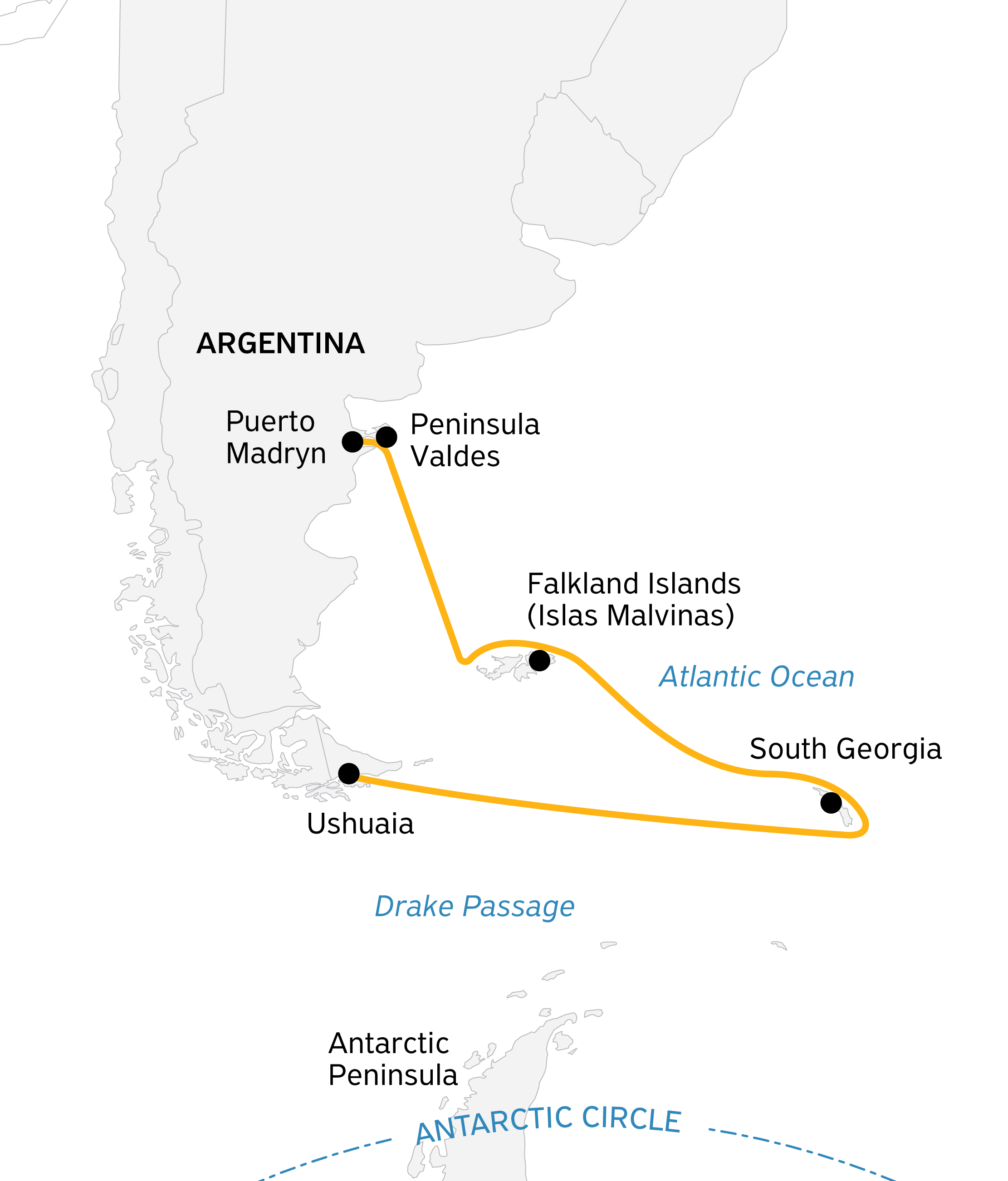
Reiseverlauf abhängig von Wetter- und Eislage. Beschriebene Naturerlebnisse/Tiersichtungen sind mögliche Ereignisse auf den Expeditionen und nicht garantiert.
Arrive in Puerto Madryn and transfer independently to your hotel. Depending on your arrival time, you may wish to explore this vibrant coastal city, known for its sweeping beaches and rich marine life along the shores of the Golfo Nuevo. Puerto Madryn offers a unique blend of nature and culture, with opportunities to observe diverse wildlife and enjoy the tranquil waters that define this Patagonian gateway.
Following breakfast at your hotel, you’ll board your vessel in Puerto Madryn and begin your expedition. Get ready for an unforgettable adventure ahead.
From Puerto Madryn we set our course for Islas Malvinas, also known as the Falkland Islands, where we aim to dedicate at least three days to exploration. En route, we will transit rich waters that support an array of wildlife, and in these latitudes—between 42 and 51 degrees north—you may spot avian and marine species you might not see further south. Be sure to spend time on the outer decks taking in the open water, and keep your binoculars handy for any wildlife sightings. Your Expedition Team will host expert presentations about the Patagonian coastlines and the isolated wildlife hotspots of the Falklands and South Georgia. Time at sea also provides opportunities to slow down and relax, and spend time getting to know your fellow ship mates who have traveled from diverse countries around the globe—and who share your passion for wildlife and adventure. It’s not uncommon for guests to make lifelong friends. As we near the Falkland Islands (also known as Islas Malvinas) sometime in the evening of our second day at sea, you may notice an increase in seabirds, particularly albatrosses. We’ll set course for the farthest—and rarely visited—northwest islands in the archipelago. Some of these islands are annual nesting sites for tens of thousands of birds, including the black-browed albatross. While many eyes may be trained toward the horizon and above in search of birds, stay alert to signs of movement above and beneath the surface of the water. Peale’s, Commerson’s, and dusky dolphins can be seen here, along with the occasional baleen and long-finned pilot whale.
With extended time in the Falklands, we’ll seek opportunities to visit seldom explored sites renowned for birdlife and beauty. Our destinations will depend entirely on weather and marine forecasts, as the outer Falklands are exposed to oceanic swells. We’ll choose locations that offer the best—and safest—conditions for exploration. One such site is the small, slender Steeple Jason, one of the most northwesterly islands in the Falklands. Difficult to access, it has been featured in numerous wildlife documentaries for its prolific black-browed albatross colony—the largest in the world, with an estimated 100,000 to 180,000 breeding pairs. It’s truly a sight to behold. Their closely packed nests stretch for hundreds of meters along the shoreline, just beyond dense tussock grasses. Looking west to sea, you’ll likely see albatross riding the wind. The walk to the colony crosses uneven terrain and impressive tussock grass, which provides critical habitat for many other bird species. These vivid green grasses, rooted in rocky soil, create a striking contrast with the sharp ridgeline in the background. Largely untouched by humans, Steeple Jason is home to a small shepherd’s outpost and a research field station—overshadowed by vast wilderness. Steeple Jason offers a rare chance to feel truly remote amid a vast ecosystem alive with countless animals. Our explorations may also take us to New Island, just over thirty nautical miles south of Steeple Jason. A paradise for birders, this small island boasts coves with white sandy beaches sheltered from the open ocean, and is considered one of the most beautiful in the Falklands. Around 25,000 to 30,000 black-browed albatross nest here, joined by Magellanic, gentoo, and southern rockhopper penguins—each with its own distinct nesting style. Other common sightings include songbirds and the formidable striated caracara. Dolphins, including those in shallow waters, are frequently seen in the area, adding to the island’s remarkable wildlife encounters. Other wilderness destinations may include bird-rich West Point and Saunders Islands in the western Falklands. Saunders Island will amaze you with its long white-sand beaches, the northern shore stretching for kilometers and facing the open sea. It’s almost surreal— particularly if you’ve encountered penguins in ice-and snow-laden Antarctica on previous voyages—to watch gentoo, Magellanic, and southern rockhopper penguins making their way to the water along sandy stretches. There’s also a smaller colony of black-browed albatross nests on a nearby cliff, sharing the gently sloped, grassy island with grazing sheep tended by the warm-hearted Saunders family. Look for Commerson’s dolphins, often spotted in the shallow waters near Saunders’ sandy beaches. West Point Island is another Falkland gem, with vibrant green vegetation and blooming spring flowers. From the rocky beach, a gentle walk (with slight elevation) leads through a picturesque meadow to a cliff where black-browed albatross nest. West Point Island is home to 2,000 breeding pairs. We’ll visit a small section of the colony for intimate views of albatross in their nests and soaring above the waters. The walk passes through grassy fields dotted with wildflowers, blending the domestic with the wild. Energetic hikers may tackle Mt. Ararat for sweeping views, while others can travel by 4X4 to the colony and overlooks. Peale’s dolphins, Falkland steamer ducks, and striated caracara are often seen here. Carcass is also an exciting destination. Like Saunders and New islands, Carcass boasts stunning white-sand beaches meeting the cold, blue waters of the South Atlantic. Magellanic and gentoo penguins nest here, and the tussock grasses are especially impressive. Look overhead for peregrine falcons soaring high above. No visit to the Falklands is complete without a stop in its largest community—Stanley. Highlights include the museum (admission covered) and the striking arch monument built from the jaws of blue whales. Pop into a local restaurant or traditional British pub for Falkland fish and chips, or a pint while chatting with locals about life on this windswept sub-Antarctic island. Stanley has a distinct boundary—where residential streets end and open wilderness and sheep meadows begin to stretch into the horizon. We’ll set sail in early afternoon, allowing plenty of time to cover the 700+ nautical miles to our next destination: South Georgia.
While at sea, we may become aware of our transit over the Antarctic Convergence, or Polar Front. This biological boundary marks where the South Atlantic meets the Southern Ocean, and we’ll notice the change as we cross it. Below the Convergence, the water is much colder; where it meets the warmer Atlantic, cloudy or foggy conditions often form. This mixing of currents creates an ideal foraging ground for a variety of birds and marine mammals. We’ll likely be accompanied by albatross, petrels, and shearwaters, and may spot whales—some species more often than others. Far from shore, we might see Antarctic fur seals. Seeing prions (part of the petrel family) and shags in greater numbers indicates we’re approaching South Georgia.
With extended time in the Falklands, we’ll seek opportunities to visit seldom explored sites renowned for birdlife and beauty. Destinations will depend on weather and marine forecasts, as the outer Falklands are exposed to oceanic swells. We’ll choose locations offering the best—and safest—conditions for exploration. One such site is Steeple Jason, a small, slender island among the northwesterly reaches of the Falklands. Difficult to access, it has been featured in numerous wildlife documentaries for its prolific black-browed albatross colony—the largest in the world, with an estimated 100,000 to 180,000 breeding pairs. Their closely packed nests stretch for hundreds of meters along the shoreline, just beyond dense tussock grasses. Looking west to sea, you’ll likely spot albatross riding the wind. The walk to the colony crosses uneven terrain and impressive tussock grass, which provides critical habitat for many bird species. These vivid green grasses, rooted in rocky soil, contrast sharply with the rugged ridgeline beyond. Largely untouched by humans, Steeple Jason is home to a small shepherd’s outpost and a research field station, dwarfed by vast wilderness—an ideal place to feel truly remote. Our explorations may also take us to New Island, just over thirty nautical miles south of Steeple Jason. A paradise for birders, it features sheltered coves with white sandy beaches and is considered one of the most beautiful in the Falklands. Around 25,000 to 30,000 black-browed albatross nest here, alongside Magellanic, gentoo, and southern rockhopper penguins. Songbirds and striated caracara are common, and dolphins— including those in shallow waters—are frequently seen. Other wilderness destinations may include West Point Island and Saunders Island in the western Falklands. Saunders Island impresses with long white-sand beaches, its northern shore stretching for kilometers along the open sea. It’s almost surreal to watch gentoo, Magellanic, and southern rockhopper penguins making their way to the water across sandy stretches. A smaller colony of black-browed albatross nests on a nearby cliff, while grazing sheep, tended by the Saunders family, roam the grassy slopes. Look for Commerson’s dolphins in the shallows. West Point Island is another highlight, with vibrant green vegetation and blooming spring flowers. A gentle walk leads to a cliffside colony of about 2,000 breeding pairs of blackbrowed albatross. Energetic hikers may tackle Mt. Ararat, while others can travel by 4x4. Peale’s dolphins, Falkland steamer ducks, and striated caracara are often seen here. Carcass is another excellent destination. Like Saunders Island and New Island, it features white-sand beaches meeting the cold, blue waters of the South Atlantic. Magellanic and gentoo penguins nest here, and peregrine falcons are often seen overhead. No visit to the Falklands is complete without time in Stanley, its largest community. Highlights include the museum and the striking arch monument built from the jaws of blue whales. Visit a local restaurant or traditional British pub for Falkland fish and chips, or enjoy a pint while chatting with locals. We’ll set sail in the early afternoon for the 700+ nautical mile journey to South Georgia.
To say that South Georgia is remote would be an understatement, and as such, we’ll need to invest the necessary time to travel the more than 1,000 nautical miles on our return to South America. We’ll begin our westward journey through the Southern Ocean, crossing back over the Antarctic Convergence and passing near Burwood Bank—a shallow underwater plateau surrounded by deeper waters. All three of these dynamic regions can provide opportunities for bird-watching and marine mammal sightings, and we’ll feel the gradual shift from the chillier ecological Antarctic to the somewhat warmer environments of Tierra del Fuego. If the skies are clear and visibility is good, we might catch our first views of the South American mountains on the horizon well before nightfall. As with other regions we’ve visited, the shelves near the continent can be rich with birdlife and occasionally marine mammals—but the journey isn’t over quite yet. After dinner, we will sail west through the famous Beagle Channel on our approach to Ushuaia, Argentina.
Once the ship has docked in Ushuaia, you will bid farewell to your Expedition Team and shipmates before completing your disembarkation. You are then free to continue your onward journey.
Ein offizieller Quark Expeditions®-Parka, der Sie warm hält
Begleitung während Ihrer gesamten Reise durch unsere erfahrenen Expeditionsleiter, einschließlich Landgängen und anderer Aktivitäten
Alle Zodiac-Transfers und -Fahrten gemäß dem Tagesprogramm
Alle Landgänge gemäß dem Tagesprogramm
Unterbringung an Bord mit täglicher Zimmerreinigung
Alle Mahlzeiten, Snacks, alkoholfreie Getränke und Säfte an Bord während Ihrer gesamten Reise (Bitte teilen Sie uns etwaige Ernährungswünsche so früh wie möglich mit.)
Ausgewählte Biere, Weine und Cocktails gratis während der Bar-Öffnungszeiten und zum Abendessen
Kostenloser Kaffee, Tee und Kakao rund um die Uhr erhältlich
Formelle und informelle Vorträge unseres Expeditionsteams und von Gastrednern gemäß Programm
Ein Foto-Tagebuch zur Dokumentation der Expedition
Ein Paar wasserdichte Expeditionsstiefel als Leihgabe für Landgänge und Zodiac-Ausflüge
Föhn und Bademäntel in jeder Kabine
Kostenloser WLAN-Zugang auf einem Gerät für grundlegende Internetnutzung, E-Mail, Beiträge in sozialen Medien und Sprachdienste. (Für datenintensivere Anwendungen sind Premium-Pakete erhältlich.) Hinweis: Der Internetzugang in den Polarregionen hängt von geografischen und klimatischen Gegebenheiten sowie anderen Faktoren ab, die außerhalb unserer Kontrolle liegen
Alle sonstigen Servicegebühren und Hafengebühren während der gesamten Reise
Die gesamte Gepäckabfertigung an Bord des Schiffes
Charterflug- und Hotelpaket
Internationale Flugkosten
Transfers bei Ankunft und Abreise
Kosten für Reisepass und Visum
Staatliche Ankunfts- und Abreisesteuern, die oben nicht aufgeführt sind
Mahlzeiten an Land, sofern nicht anders angegeben
Gepäck-, Stornierungs-, Reiseabbruch- und Reisekrankenversicherung – dringend empfohlen
Gebühren für Übergepäck auf internationalen und Inlandsflügen
Obligatorische wasserdichte Hosen für Zodiac-Fahrten sowie sonstige nicht genannte Ausrüstung
Wäscheservice, Bar, Spa und sonstige persönliche Ausgaben, sofern nicht anders angegeben
Telefongebühren können je nach Standort variieren
Freiwilliges Trinkgeld am Ende der Reise für das Bordpersonal und die Besatzung
Zusätzliche Übernachtungen
Abenteueroptionen, die nicht unter „Im Preis inbegriffene Aktivitäten“ aufgeführt sind
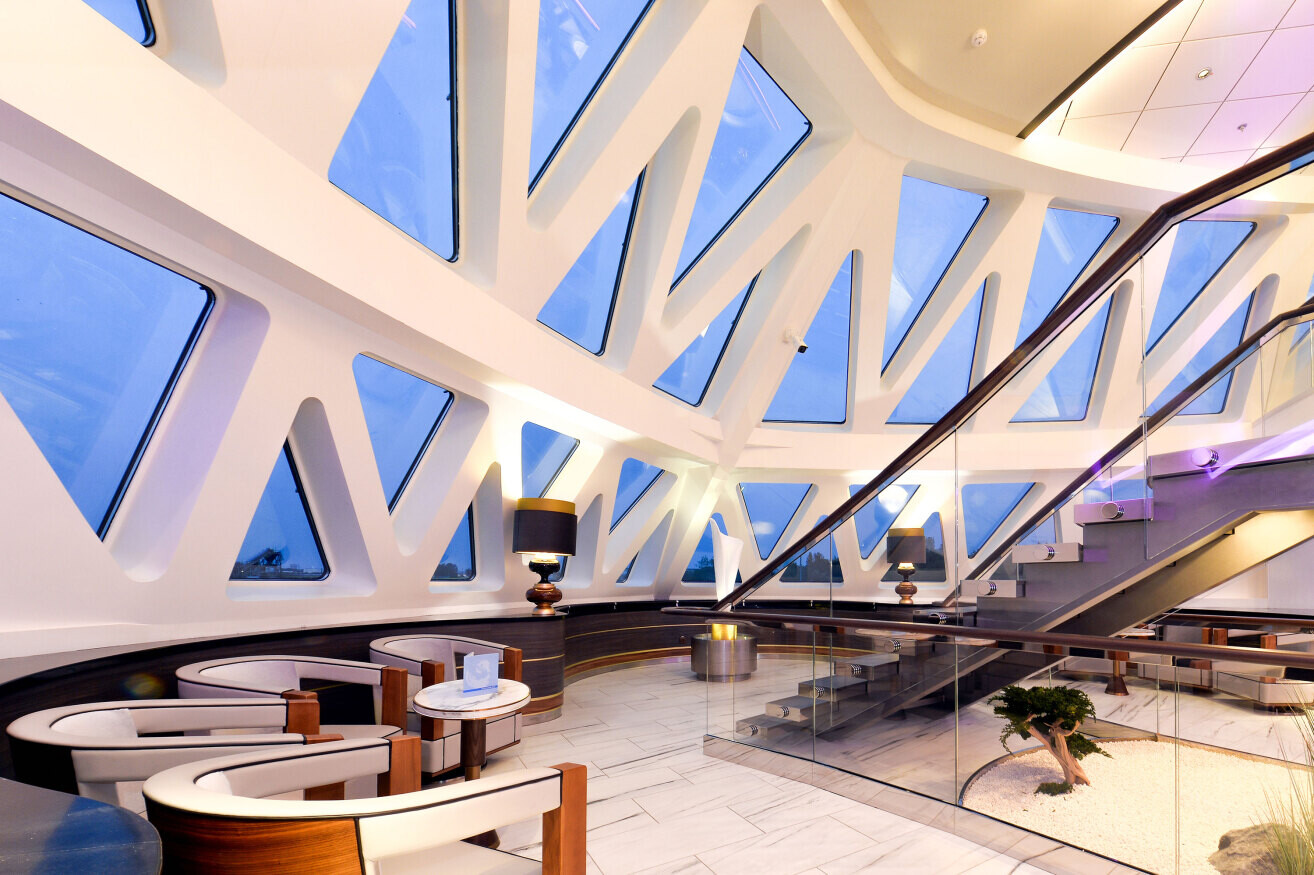
Ihr Schiff ist die "Ocean Explorer". Ausführlich stellen wir Ihnen dieses Schiff auf unseren Schiffseiten vor. Ausführliche Informationen zu diesem Schiff.
Passagiere
138Bordsprachen

Eisklasse
PC-6Special
X-Bow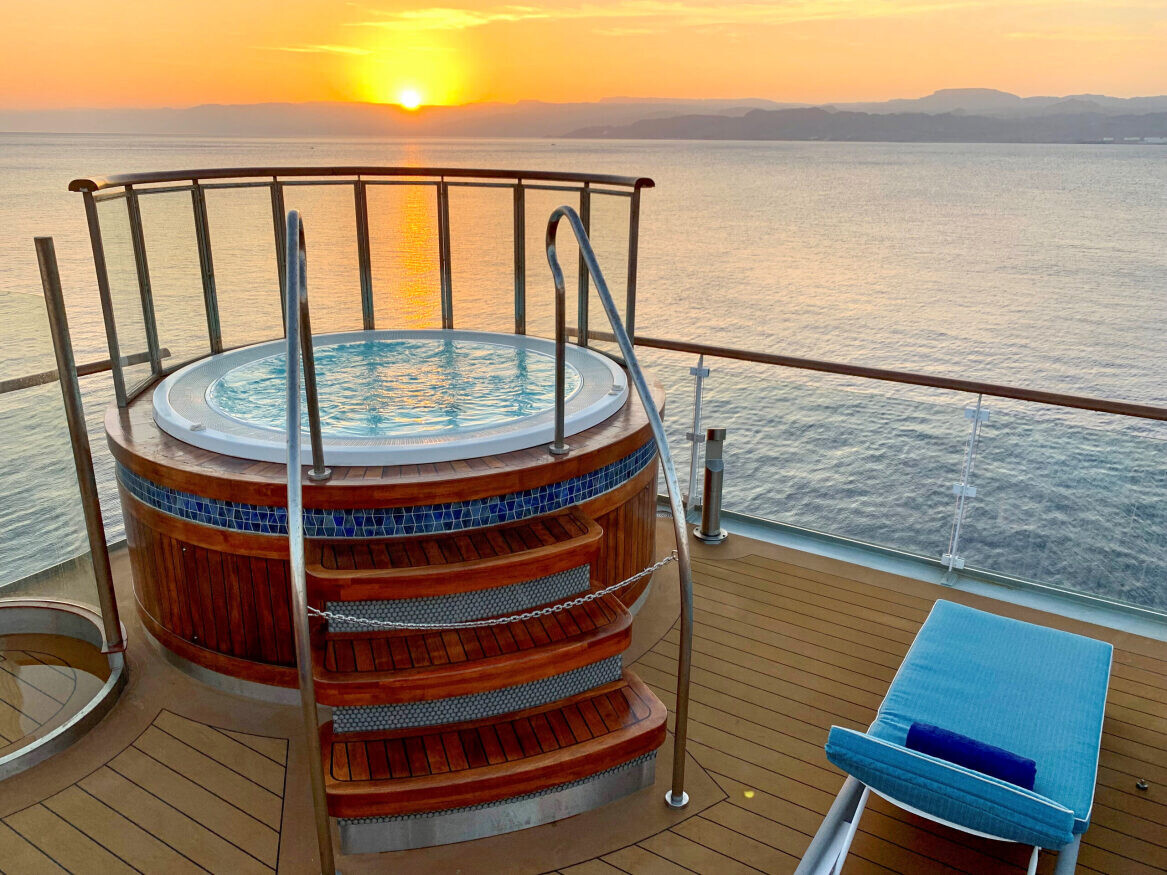



Haben Sie Fragen zu diesem Reisetermin? Kontaktieren Sie uns gerne telefonisch! Planen Sie mit dem Team von Eisexpeditionen Ihre perfekte Expeditionsreise.
Polare Welten entdecken - mit Eisexpeditionen.de